Wilson
43.5008° N, 110.8752° W
43.5008° N, 110.8752° W
2,807 people live in Wilson, where the median age is 54.5 and the average individual income is $84,634. Data provided by the U.S. Census Bureau.
Total Population
Median Age
Population Density Population Density This is the number of people per square mile in a neighborhood.
Average individual Income
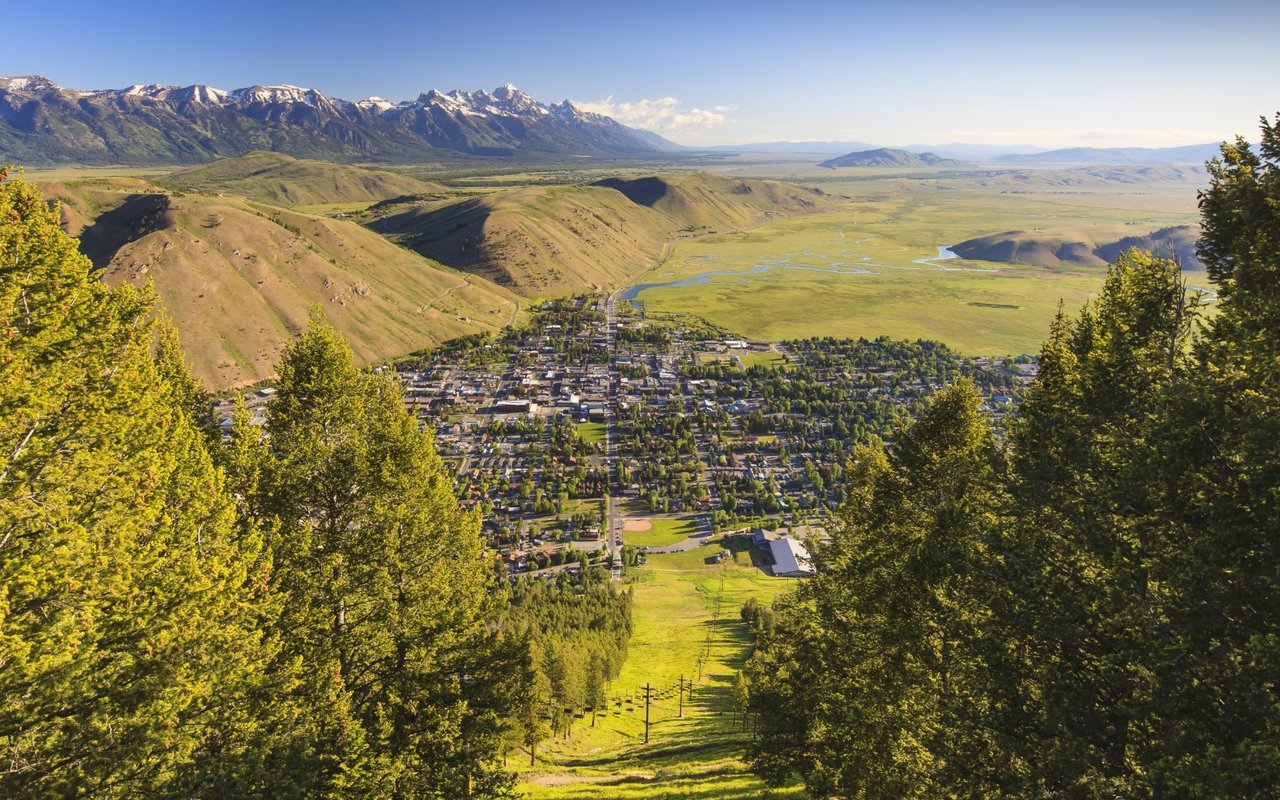
Wilson, Wyoming, stands as one of the most coveted residential communities in the American West—a place where authentic Western heritage meets extraordinary natural beauty and world-class recreation. Nestled at the base of Teton Pass in the Jackson Hole valley, this census-designated place of approximately 1,567 residents represents the epitome of mountain living, combining small-town charm with access to amenities that attract discerning buyers from across the globe.
Known locally as the "West Bank" due to its position west of the Snake River, Wilson maintains a distinctly different character from the bustling town of Jackson. The community exudes a relaxed, unpretentious atmosphere that residents describe as "part hippie, part cowboy"—a folksy sensibility that effectively disguises the considerable affluence of its residential enclaves. This unique cultural blend creates a genuine sense of community rarely found in high-end resort destinations.
According to IRS data, Teton County—where Wilson is located—ranks first nationally in average adjusted gross income at $296,778, underscoring the economic profile of the area's residents. Yet despite this wealth concentration, Wilson retains an authenticity that has vanished from many comparable mountain communities. Sunday nights at the Stagecoach Bar, breakfasts at Nora's Fish Creek Inn, and casual encounters at Pearl Street Bagels create the social fabric that defines daily life here.
Wilson occupies a strategic position in northwestern Wyoming at coordinates 43°29'11"N 110°52'45"W, situated approximately seven miles west of downtown Jackson along Wyoming Highway 22. The community sits at an elevation of 6,148 feet above sea level, with a total area of 23.44 square miles that encompasses diverse terrain ranging from valley floor meadows to forested hillsides approaching the Teton Range.
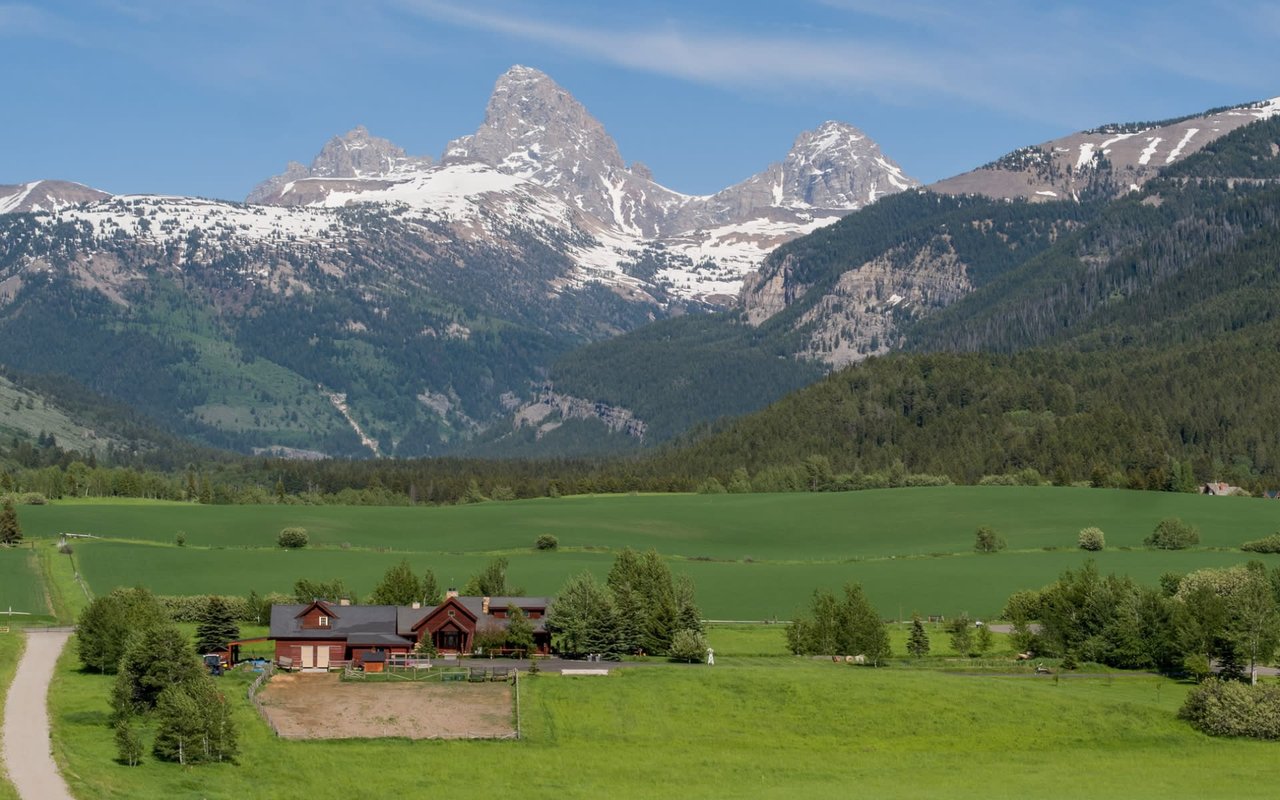
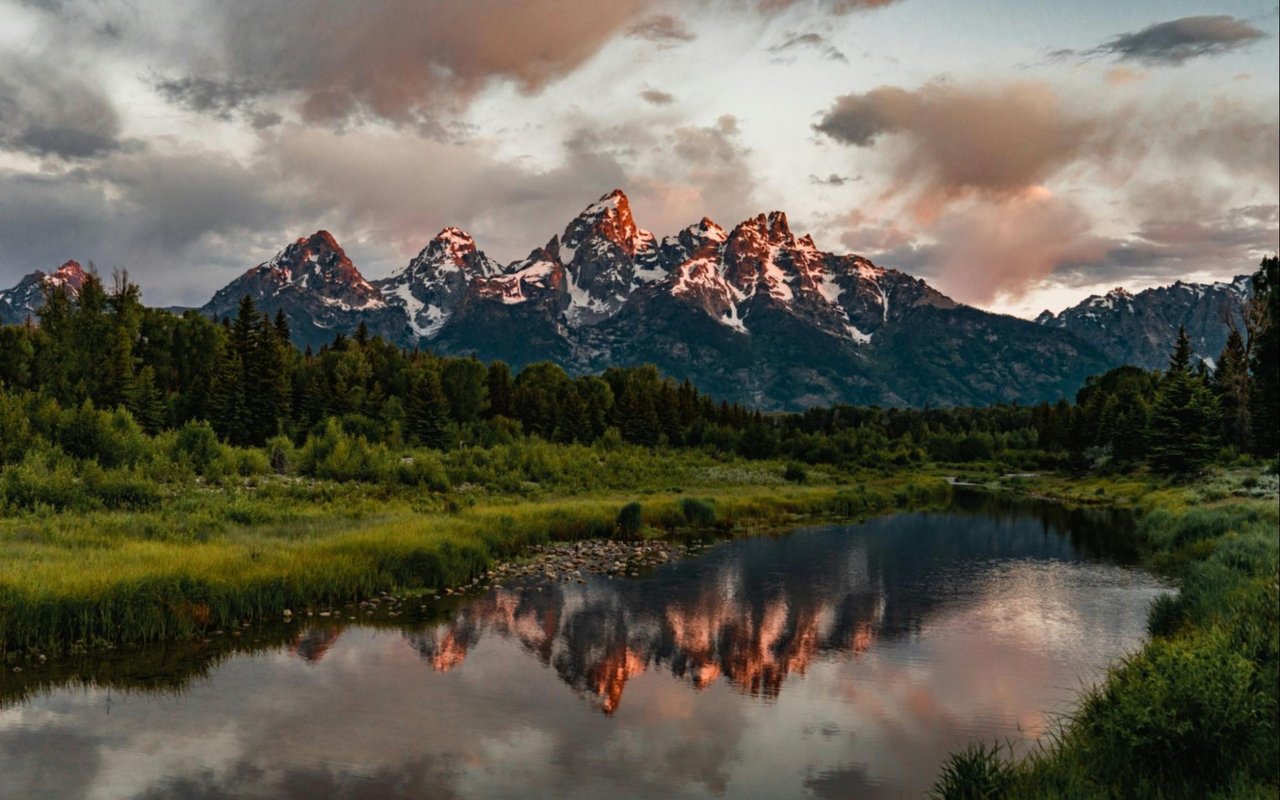
The geography of Wilson is defined by its relationship to three dominant natural features: the Teton Range rising dramatically to the west, the Snake River corridor to the east, and Fish Creek flowing through the heart of the community from north to south. This convergence of mountain, river, and creek creates diverse microclimates and ecosystems that support abundant wildlife while providing residents with immediate access to multiple recreational opportunities.
Teton Pass serves as Wilson's western gateway, rising from the community to a summit elevation of 8,431 feet before descending into Idaho's Teton Valley. This high mountain pass—featuring grades exceeding 10% and some of the steepest highway terrain in the continental United States—has historically defined Wilson's role as a waypoint between Jackson Hole and points west. The pass receives substantial annual snowfall and provides access to exceptional backcountry skiing and mountain biking terrain.
The climate is classified as semi-arid continental, characterized by cold, snowy winters with temperatures frequently dropping well below zero, and warm, dry summers with daytime highs reaching the mid-80s Fahrenheit. Annual precipitation averages approximately 15-20 inches in the valley, with substantially higher accumulations on surrounding mountain slopes. The area receives approximately 150 inches of annual snowfall, creating ideal conditions for winter recreation while presenting considerations for property maintenance and accessibility.
Proximity to major destinations enhances Wilson's appeal: Grand Teton National Park lies immediately to the north with the Moose entrance approximately 15 minutes away; Yellowstone National Park is accessible within 90 minutes; Jackson Hole Airport—the only commercial airport located within a national park—sits approximately 17 miles northeast; and Teton Village with Jackson Hole Mountain Resort is a 10-minute drive north on Highway 390.
Wilson's founding story reads like a chapter from the American frontier epic. On November 11, 1889, Elijah Nicholas "Uncle Nick" Wilson led a party of five Mormon families—known as the Wilson-Cheney company—over Teton Pass into Jackson Hole, marking the first wagon train carrying women and children into the valley. This arduous 88-mile trek from St. Anthony, Idaho took two weeks and effectively doubled the existing population of roughly 28 single male homesteaders who had previously settled in the valley.
Uncle Nick Wilson himself was a remarkable frontier figure. As a youth in the 1850s, he ran away from home to live with Chief Washakie's band of Shoshone Indians, earning the Shoshone name "Yagaiki" and acquiring survival skills that would serve him throughout his extraordinary life. He subsequently worked as a Pony Express rider, served as a scout for General Albert Sidney Johnston, drove stagecoaches for Ben Holladay's Overland Stage, and eventually documented his adventures in the memoir "The White Indian Boy."
Wilson homesteaded land at the eastern base of Teton Pass, strategically positioning his family to supply travelers and freighters traversing the route. The community that gradually formed around his homestead took his family name. By 1891, the valley's first cemetery was established following the deaths of two Wilson family members. In 1892, the inaugural school operated from a Wilson home. By 1893, Uncle Nick had opened a hotel and post office at the pass's base, with his wife Matilda serving as the first postmaster until 1899, when Nick himself assumed the role until 1902.
The early 20th century brought gradual development while preserving the agricultural character that defined the community. Ranching operations dominated the landscape, with irrigation ditches like the historic Prosperity Ditch—still flowing today—supporting hay production and livestock. The community remained relatively isolated until improved road access and the growing reputation of Jackson Hole as a destination began attracting visitors and eventually new residents.
A pivotal shift began in the 1920s when John D. Rockefeller Jr. started quietly purchasing land in Jackson Hole, eventually facilitating the expansion of Grand Teton National Park. This conservation effort, combined with the establishment of Jackson Hole Mountain Resort in 1965, transformed the valley's economic trajectory. Wilson evolved from an agricultural community into a residential haven for those seeking proximity to world-class recreation while maintaining distance from the commercialization of Jackson proper.
The Stagecoach Bar, established in 1942, emerged as Wilson's social anchor—a role it maintains to this day. The "Sunday Church" tradition, featuring the Stagecoach Band performing country music and Western swing since the early 1970s, represents one of the longest-running house band performances in American history. This institution exemplifies Wilson's ability to preserve authentic community traditions even as property values have soared into the stratosphere.
Wilson's residential architecture reflects the evolution of Jackson Hole from frontier outpost to world-class destination, with housing stock ranging from original homestead cabins to contemporary mountain estates designed by internationally recognized architects. This diversity creates opportunities across a broad spectrum of preferences and investment levels, though even modest properties command substantial premiums given the location's desirability.
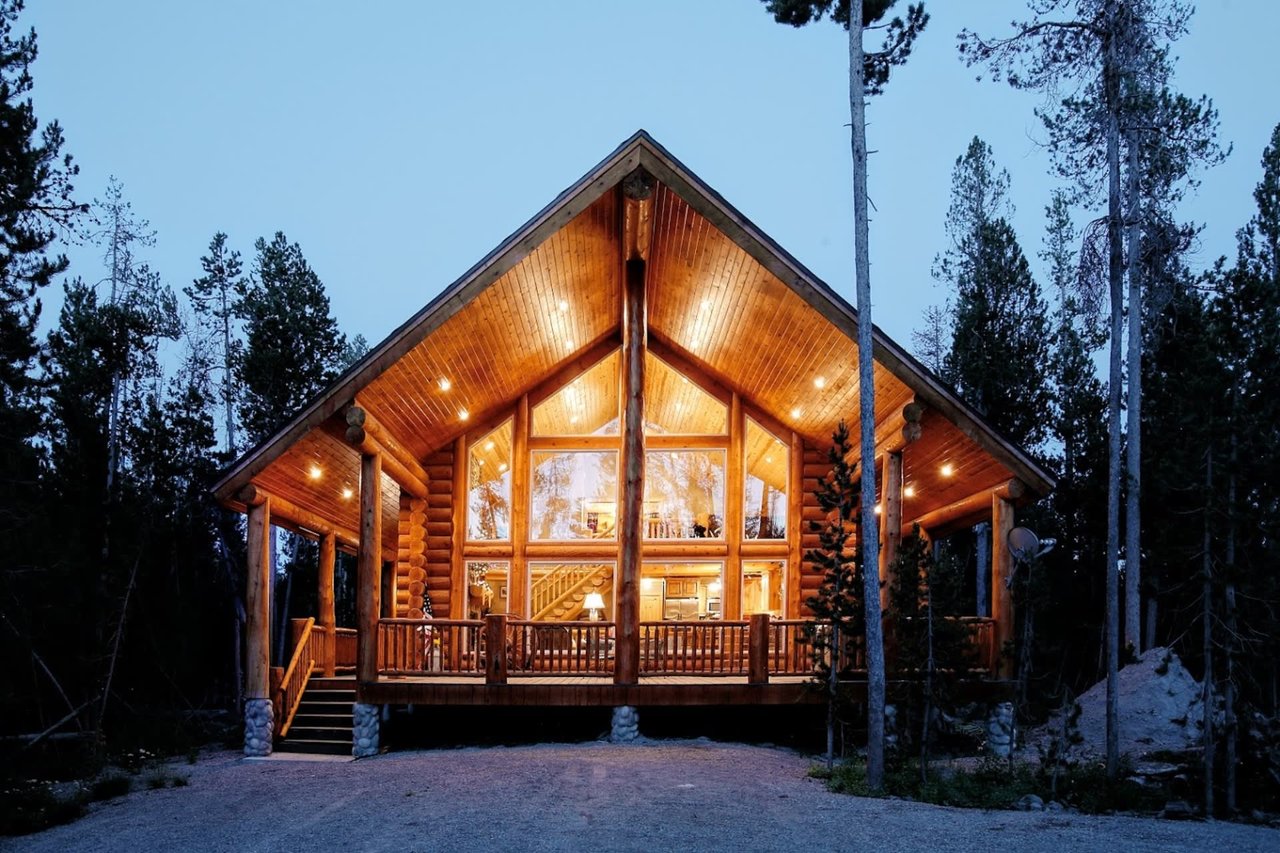
Historic log construction represents the foundational architectural tradition, with original cabins and ranch buildings scattered throughout the community. These structures, typically featuring hand-hewn timbers, chinking, and modest footprints, connect contemporary residents to Wilson's pioneering heritage. Many have been carefully preserved and updated, while others have been incorporated into larger compound developments that honor historical aesthetics while providing modern amenities.
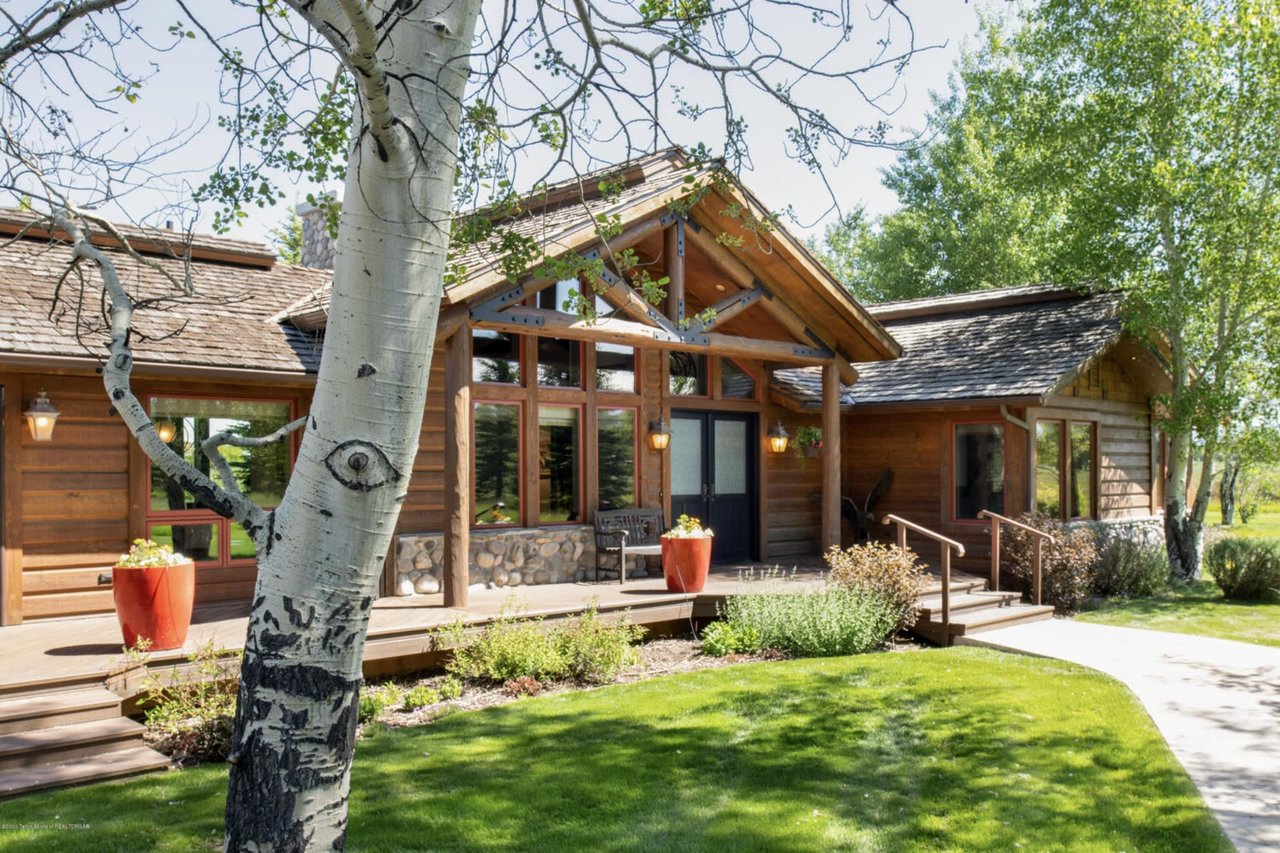
Western rural architecture dominates newer construction, characterized by heavy timber framing, natural stone foundations and accents, expansive window walls capturing Teton views, and generous covered porches suited to outdoor living. These homes typically feature open floor plans with great rooms anchored by massive stone fireplaces, chef's kitchens with professional-grade appliances, and master suites positioned to maximize morning light and mountain vistas. Exterior materials emphasize natural finishes—reclaimed wood, weathered steel, native stone—that age gracefully within the landscape.
Contemporary mountain architecture has gained prominence in recent decades, with architects like Stephen Dynia introducing designs that interpret traditional Western forms through a modern lens. These properties feature clean lines, floor-to-ceiling glass, cantilevered elements, and innovative material combinations that create striking visual statements while maintaining harmony with the natural environment. Such homes attract buyers seeking architectural distinction alongside recreational access.
The housing inventory includes single-family residences ranging from approximately 2,000 to over 10,000 square feet, situated on lots varying from quarter-acre village parcels to multi-acre estate properties. Condominium and townhome options exist primarily in the Aspens development near Teton Village, providing maintenance-free alternatives for seasonal residents or those preferring proximity to ski resort amenities. Land parcels for custom construction remain available, though increasingly scarce, with buildable lots in premium locations commanding prices exceeding $5 million.
Wilson's real estate market operates within the broader Jackson Hole ecosystem—one of the most exclusive and price-resilient markets in the United States. As of March 2025, the median list price in Wilson reached $2,112,500, representing a 24.6% increase from the previous year. The median price per square foot stands at approximately $1,496, reflecting the premium that buyers pay for Wilson's combination of location, lifestyle, and limited inventory.
Single-family home transactions in Wilson typically range from approximately $1.5 million for smaller properties or those requiring renovation to well over $20 million for trophy estates on substantial acreage. The median selling price for single-family homes over the past year has hovered around $4.995 million, though this figure fluctuates significantly based on the specific properties trading in any given period. Luxury properties—those priced above $10 million—may include multiple structures, extensive water features, equestrian facilities, and direct access to public lands.
Inventory remains persistently constrained, with approximately 71 homes actively listed as of early 2025. Properties spend an average of 198 days on market, down approximately 25.5% from the previous year, indicating strengthening demand despite elevated price points. The market demonstrates particular velocity at the entry and middle segments, where qualified buyers compete for limited opportunities, while ultra-luxury properties may require more extended marketing periods to match with appropriate buyers.
Price appreciation has been substantial across all segments. Three-bedroom homes experienced an 89.1% price increase year-over-year, while four-bedroom homes rose 29.2% and two-bedroom units increased 15.5%. These appreciation rates significantly outpace national averages and reflect the persistent imbalance between demand for Wilson properties and the inherent limitations on supply created by geography, conservation easements, and stringent land development regulations.
Market conditions strongly favor sellers, though the buyer pool is highly sophisticated and increasingly selective. Qualified purchasers typically represent ultra-high-net-worth individuals and families, many with existing relationships in the valley, who approach acquisitions with long-term horizons and specific requirements regarding views, privacy, recreational access, and architectural quality. Cash transactions remain common, reducing financing contingencies and accelerating closings.
Purchasing property in Wilson requires careful evaluation of factors unique to this high-altitude mountain environment and the regulatory framework governing Teton County. Beyond standard due diligence, buyers should investigate several location-specific considerations that materially impact property utility, maintenance costs, and long-term value.
Water rights and systems present critical considerations. Many Wilson properties rely on private wells rather than municipal water, requiring assessment of well productivity, water quality, and any associated water rights. Properties near Fish Creek or the Snake River may have riparian rights or irrigation allocations tied to historic agricultural uses. Understanding these entitlements—and any limitations—is essential before acquisition.
Septic systems serve most Wilson properties, as municipal sewer service is limited. Buyers should verify system capacity, condition, and compliance with current Teton County regulations. The county's Small Wastewater Facility Resolution establishes specific requirements, and system capacity directly affects permitted uses including short-term rental potential. Expansion or replacement of inadequate systems can represent significant expense.
Flood zone designations affect properties near Fish Creek, the Snake River, and their tributaries. FEMA flood maps should be reviewed to determine whether flood insurance is required and whether development restrictions apply. Properties within designated floodways face severe limitations on construction and modification, while those in broader flood zones may still face insurance requirements and building elevation standards.
Wildfire risk has intensified throughout the Intermountain West, and Wilson properties—particularly those adjacent to national forest lands or in heavily vegetated settings—face exposure. Insurance availability and pricing increasingly reflect wildfire risk assessments, and buyers should investigate defensible space requirements, fire-resistant construction standards, and emergency evacuation routes. Some insurers have withdrawn from high-risk areas entirely.
Teton County Land Development Regulations establish comprehensive zoning requirements governing use, density, setbacks, and building envelopes. The county's commitment to maintaining rural character and protecting wildlife habitat results in stringent limitations that may affect expansion plans or accessory structure construction. Properties may be subject to specific zone district standards—such as Rural Residential (average one lot per 20 acres) or Rural Agriculture (one lot per 35 acres)—that define development potential.
Subdivision covenants, conditions, and restrictions (CC&Rs) layer additional requirements atop county regulations in many Wilson neighborhoods. These may address architectural review, exterior materials, landscaping, livestock, short-term rentals, and numerous other matters. HOA fees, where applicable, vary significantly—from nominal amounts in older subdivisions to substantial assessments in communities with extensive amenities or shared infrastructure.
Winter access and road maintenance require investigation. While Highway 22 and major collector roads receive priority plowing, private roads and driveways may present seasonal challenges. Steep grades, north-facing exposures, and distance from main routes all affect winter accessibility. Many properties require four-wheel-drive vehicles throughout winter months, and some driveways necessitate private snow removal services that add to carrying costs.
Wildlife interactions are routine in Wilson, with moose, elk, deer, and bears frequenting residential properties. Teton County's Bear Conflict Zone requires bear-proof trash containers in designated areas. Properties with extensive landscaping may attract browsing moose, and fencing limitations in some areas prevent effective wildlife exclusion. Buyers should understand wildlife corridors and habitat patterns affecting specific properties.
Selling Wilson real estate requires strategic positioning within a sophisticated market where buyers conduct extensive due diligence and maintain high expectations. Success depends on accurate pricing, thoughtful presentation, and timing aligned with seasonal buyer activity patterns.
Seasonality significantly influences buyer traffic. The peak selling seasons coincide with the periods when Jackson Hole shows best: summer months from June through September, when the valley displays lush greenery, wildflowers, and optimal weather for property tours, and the winter holiday season from December through February, when ski season attracts active visitors who may convert to buyers. Spring shoulder season (April-May) and fall (September-October) can produce motivated buyers seeking to close before or after peak seasons.
Pricing strategy demands deep market knowledge and realistic assessment of comparable properties. The Wilson market's thinness—limited transactions at any given time—makes precise valuation challenging. Overpricing results in extended days on market, multiple price reductions, and eventual sale below properly positioned initial pricing. Given sophisticated buyers with access to comprehensive market data, aspirational pricing rarely succeeds.
Buyer demographics skew toward ultra-high-net-worth individuals and families, often from major metropolitan areas including San Francisco, Los Angeles, Denver, Dallas, Houston, Chicago, and New York. Many are second or third-home purchasers with existing Jackson Hole connections. International buyers, particularly from Canada, represent a meaningful segment. Understanding buyer motivations—whether recreation-focused, tax-advantaged relocation, or legacy property acquisition—helps position properties effectively.
Staging and presentation expectations have elevated substantially. Buyers in this segment expect properties to present in move-in condition with current finishes and professional staging. Dated kitchens, bathrooms, and mechanical systems should be addressed before listing, as buyers typically discount deferred maintenance and required updates beyond actual costs. Professional photography, videography, drone footage, and virtual tours are mandatory marketing components.
Value-enhancing improvements vary by property but commonly include kitchen and bathroom renovations with high-end finishes, smart home technology integration, energy-efficient window replacement, updated HVAC systems, improved outdoor living spaces, and garage expansion. Wyoming's tax advantages—no state income tax, no estate tax on out-of-state retirement income—should be emphasized to relocating buyers.
Documentation requirements include comprehensive disclosure of property conditions, water and septic systems, any easements or encumbrances, HOA documentation where applicable, and survey materials. Proactive assembly of inspection reports, title commitments, and regulatory compliance documentation accelerates transactions and demonstrates seller sophistication that sophisticated buyers expect.
Wilson's recreational opportunities define its appeal to residents and represent the primary driver of real estate demand. The community serves as a gateway to world-class outdoor pursuits across all four seasons, with activities ranging from casual neighborhood walks to extreme backcountry adventures.
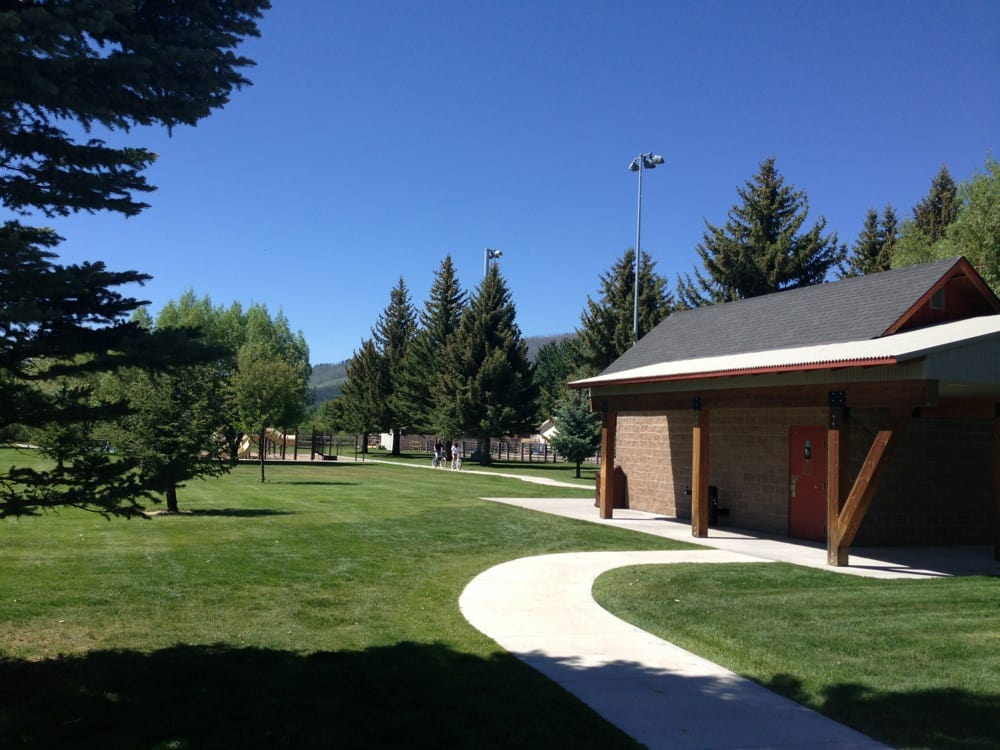
Owen Bircher Park anchors community recreation within Wilson proper. This 2-acre county park features a well-lit arena used for roping, barrel racing, and other equestrian activities, reflecting the community's Western heritage. During winter months, the arena converts to an ice skating and hockey rink, providing family recreation without driving to Jackson. Community events, including the annual Wilson Jubilee celebration, center on this park, which also connects to the broader Teton County pathway system.
The Teton County pathway system provides over 60 miles of paved trails connecting Wilson to Jackson, Teton Village, and surrounding neighborhoods. These pathways accommodate walking, running, cycling, and, where conditions allow, cross-country skiing. The system enables car-free commuting and recreational travel, enhancing both property values and quality of life. Recent pathway extensions have improved connectivity between Stilson Ranch, downtown Wilson, the Teton Raptor Center, and adjacent neighborhoods.
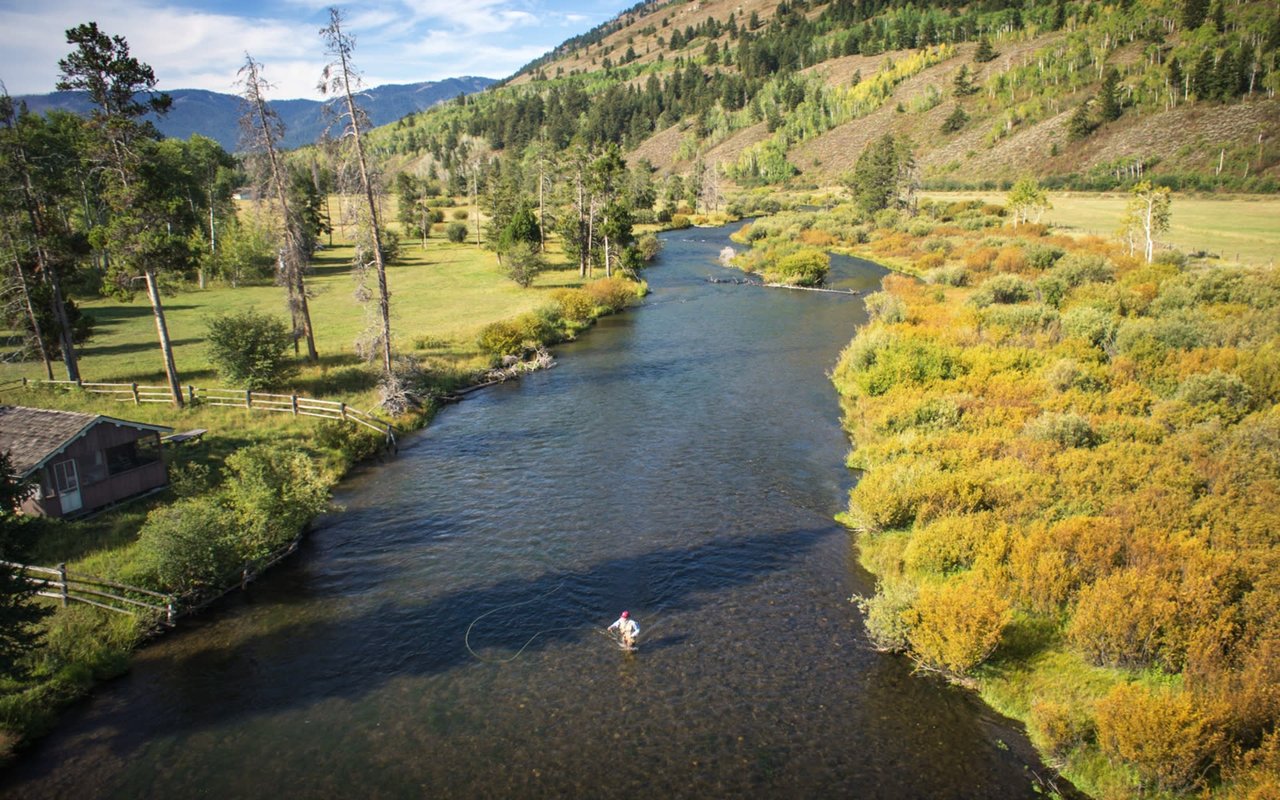
Fish Creek flows through Wilson from north to south, providing exceptional fly fishing opportunities within minutes of residential neighborhoods. The creek supports populations of native Yellowstone cutthroat trout and introduced brook trout, with public access points enabling wade fishing throughout accessible stretches. The Snake River, forming Wilson's eastern boundary, offers additional fishing, floating, and wildlife viewing opportunities, including scenic float trips through Grand Teton National Park.
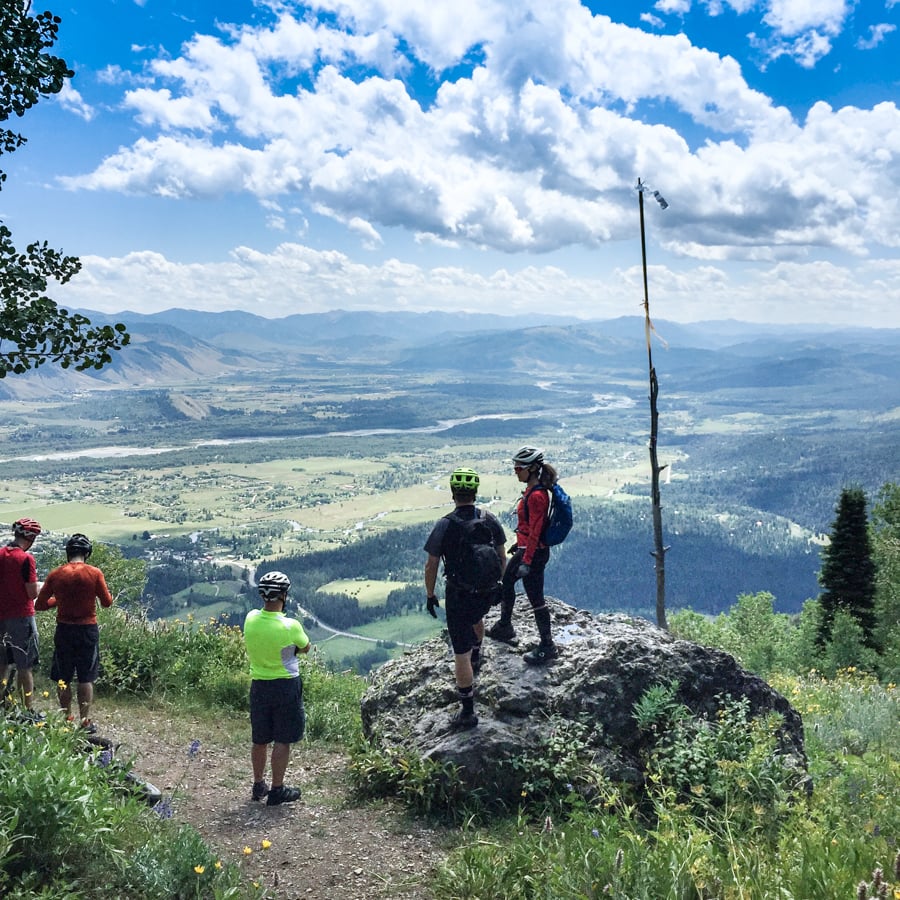
Teton Pass provides immediate access to backcountry recreation directly from Wilson. In winter, the pass offers some of North America's finest backcountry skiing and snowboarding terrain, with established routes including Glory Bowl, Edelweiss, and Twin Slides attracting expert riders from around the world. The area around Phillips Pass and Coal Creek accesses additional terrain. In summer, the same slopes transform into hiking and mountain biking destinations, with trails including Ski Lake, Mount Glory, and the Phillips Pass trail system.
Grand Teton National Park lies immediately north of Wilson, with the Granite Canyon trailhead accessible via the Moose-Wilson Road—a scenic route that itself provides exceptional wildlife viewing. Park trails include the Teton Crest Trail, Death Canyon, Phelps Lake, and numerous alpine destinations. The Laurance S. Rockefeller Preserve offers contemplative hiking through diverse ecosystems. Park waters support fishing, paddling, and floating activities, while winter opens opportunities for cross-country skiing and snowshoeing.
Golf options include the Teton Pines Country Club, an Arnold Palmer-designed course located between Wilson and Teton Village, offering membership opportunities and stunning Teton views. Jackson Hole Golf & Tennis Club in Jackson provides additional playing options. Tennis, swimming, and fitness facilities are available through these private clubs and the public Teton County Recreation Center in Jackson.
Wilson's relationship with Teton Village and Jackson Hole Mountain Resort represents a defining characteristic that drives substantial real estate demand. Teton Village lies approximately 5-6 miles north of downtown Wilson via Highway 390, representing a 10-minute drive that provides ski resort access without the congestion and commercialization of staying at the resort base.
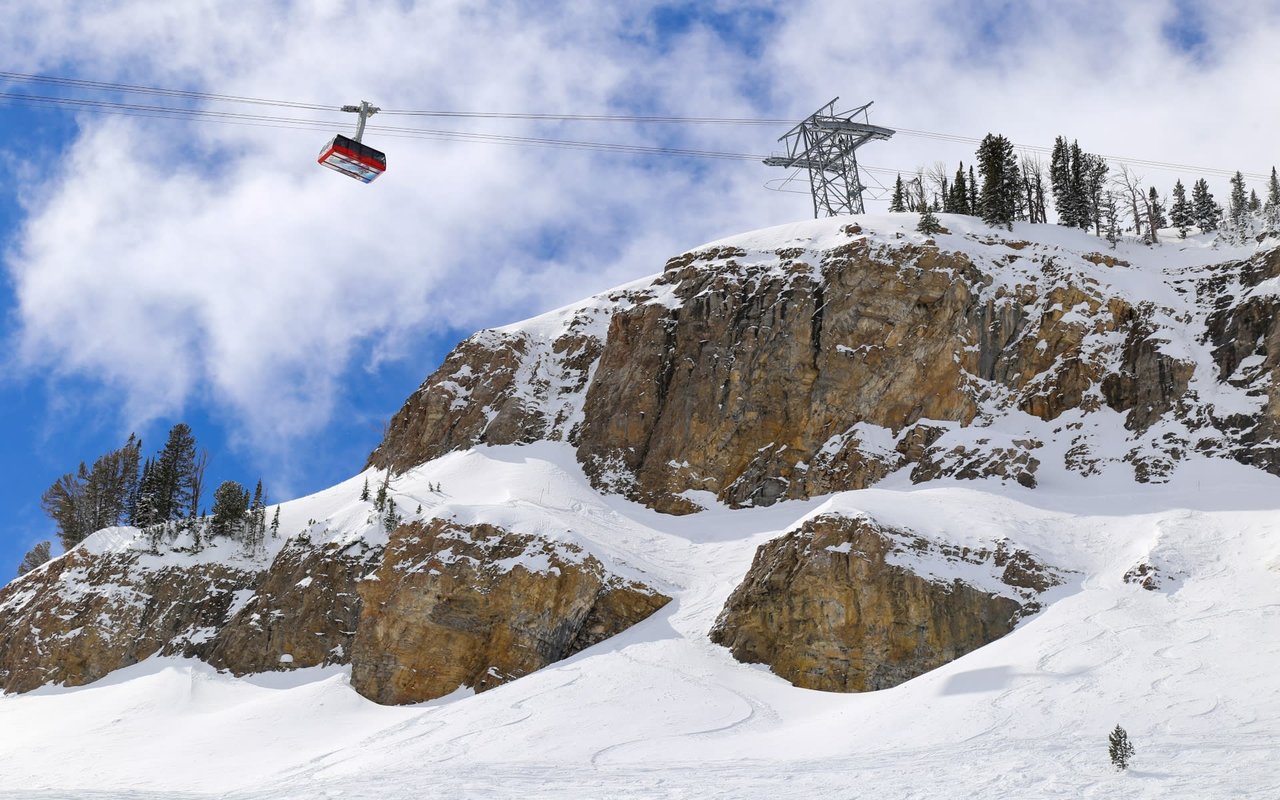
Jackson Hole Mountain Resort ranks among North America's premier ski destinations, featuring 2,500 acres of skiable terrain, 4,139 feet of continuous vertical rise—the largest of any U.S. ski area—and an average of 459 inches of annual snowfall. The resort's legendary expert terrain, including Corbet's Couloir and the Hobacks, attracts advanced skiers and snowboarders globally, while substantial intermediate and beginner terrain serves diverse ability levels. The aerial tram ascends 4,139 vertical feet in 12 minutes, providing access to the summit of Rendezvous Mountain.
Wilson residents benefit from convenient resort access while avoiding premium Teton Village real estate pricing. The START Bus system provides public transportation between Wilson and Teton Village, with the Teton Village Transit Center at Stilson Ranch offering free parking and ski shuttle service. During peak periods, this transit option eliminates parking challenges that can frustrate Teton Village visitors. Many Wilson residents ski directly from the START bus stop to lift access.
Beyond skiing, Teton Village provides year-round amenities including dining ranging from casual to fine dining, shopping, spa services, and the Grand Teton Music Festival's summer concert series at Walk Festival Hall. The aerial tram operates in summer for scenic rides, hiking access, and mountain dining. Mountain biking trails, via ferrata climbing, and paragliding launch from the mountain, extending recreational opportunities beyond the ski season.
The Moose-Wilson Road connects Wilson to Grand Teton National Park's southern reaches, though this route closes during winter months. In season, this scenic byway provides direct access to Death Canyon, Phelps Lake, and the Laurance S. Rockefeller Preserve while offering some of the valley's best wildlife viewing opportunities—moose and bears are frequently spotted along this corridor.
Wilson exists within the Greater Yellowstone Ecosystem—the largest intact temperate ecosystem in the lower 48 states and one of the world's most significant wildlife habitats. This ecological context permeates daily life, with wildlife encounters representing routine rather than exceptional occurrences. Understanding this reality is essential for prospective residents.
Moose represent Wilson's most visible large mammals, with the community's riparian corridors along Fish Creek and the Snake River providing ideal habitat. The Wyoming Game and Fish Department conducts ongoing moose research in the Wilson area, including GPS collar studies examining movement patterns and vehicle collision risks near the Highway 22 Snake River Bridge. Residents regularly observe moose browsing on willows, crossing roadways, and bedding in residential yards. Moose can be aggressive, particularly cows with calves, requiring awareness and appropriate distance.
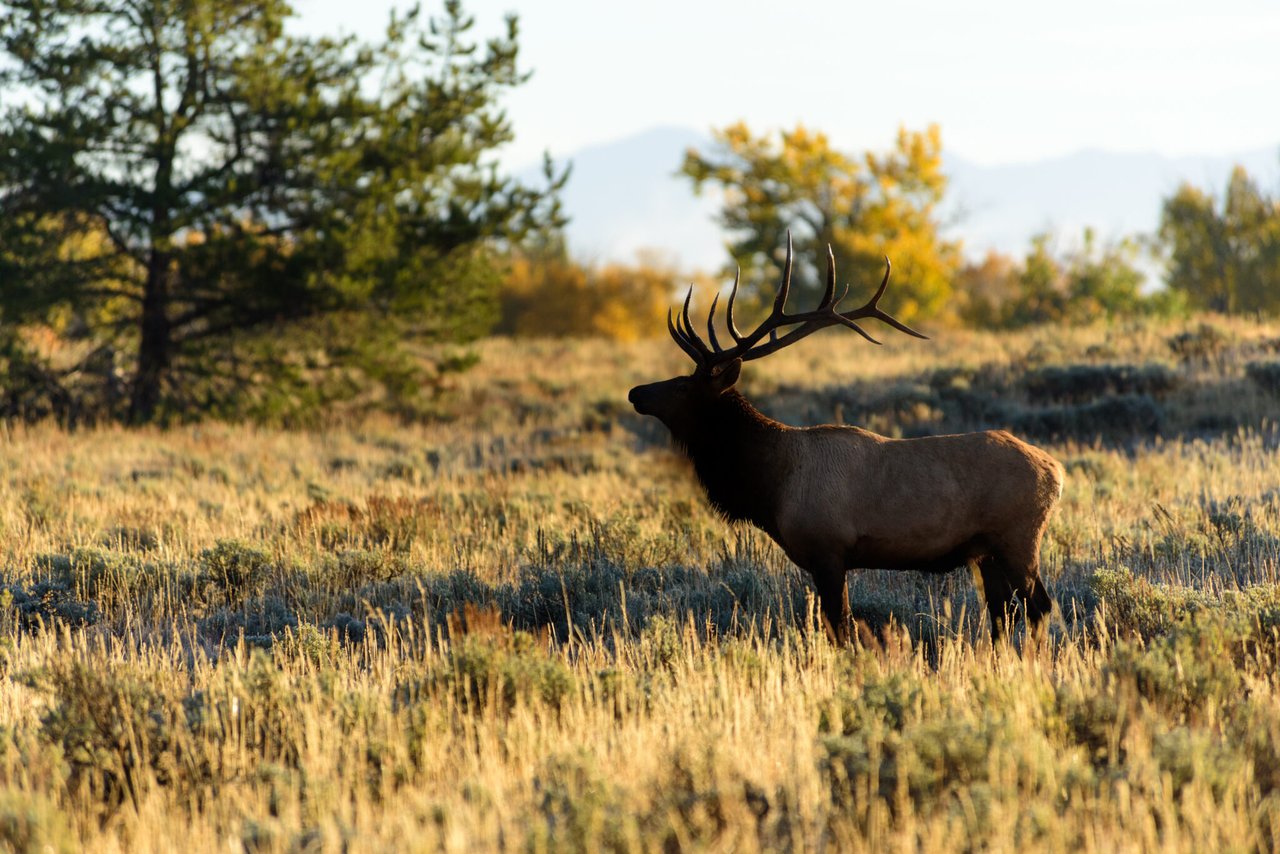
Elk utilize the Jackson Hole valley seasonally, with the National Elk Refuge—located northeast of Jackson—providing critical winter habitat for thousands of animals. During spring and fall migrations, elk move through the Wilson area. The fall rut (September-October) brings dramatic displays and bugling audible throughout the valley. Winter sleigh rides through the Elk Refuge offer close observation of one of North America's largest elk concentrations.
Black bears and grizzly bears inhabit the surrounding mountains and occasionally venture into residential areas, particularly in spring when emerging from hibernation and fall when accumulating calories for winter. Teton County's Bear Conflict Zone requires bear-proof trash containers in designated areas including portions of Wilson. The presence of bears necessitates responsible food storage, bird feeder management during bear-active seasons, and general awareness when hiking or recreating in adjacent backcountry.
Additional wildlife commonly observed includes mule deer, pronghorn antelope, bison (primarily within national park boundaries), coyotes, red foxes, river otters, beavers, and muskrats. Avian species range from bald eagles and osprey along waterways to great gray owls in forested areas, trumpeter swans in wetlands, and diverse songbird populations. The Teton Raptor Center, located in Wilson, provides rehabilitation services for injured birds of prey and educational programming.
Conservation easements protect substantial acreage throughout the Wilson area, permanently preserving open space, agricultural lands, and wildlife corridors. The Jackson Hole Land Trust and other conservation organizations have secured easements on working ranches and key habitat areas. These protected lands contribute to Wilson's scenic character and ecological integrity while potentially affecting adjacent property values and limiting future development.
Wilson's dining and entertainment options, while limited in number, possess character and reputation that draw visitors from across the valley. These establishments define the community's social life and contribute significantly to its distinctive appeal.
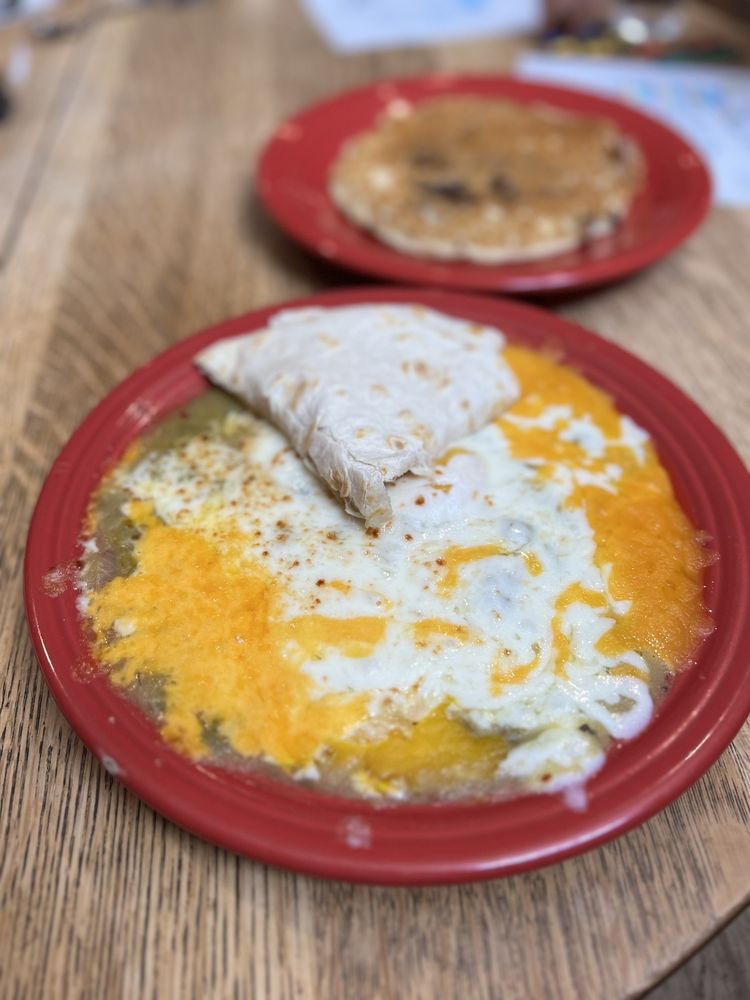
Nora's Fish Creek Inn stands as Wilson's culinary institution, operating since 1982 in a rustic log cabin setting. Originally founded by Nora and Marvin Tygum, the restaurant achieved national recognition through a James Beard Award (2012) and feature appearances on Guy Fieri's "Diners, Drive-Ins and Dives." The legendary huevos rancheros, trout and eggs, and banana bread French toast draw lines on weekend mornings. Recent ownership changes have expanded offerings to include dinner service seven nights weekly while preserving the homestyle cooking philosophy that built the restaurant's reputation.
The Stagecoach Bar represents the heart of Wilson's social scene and one of Wyoming's most iconic honky-tonks. Established in 1942, "The 'Coach" has anchored community life for over eight decades. The world-famous Stagecoach Band has performed "Sunday Church" sessions since the early 1970s—more than 50 years of Western swing and country music that constitutes one of America's longest-running house band traditions. Thursday Disco Night draws packed crowds for '70s and '80s dancing. The bar includes a full liquor store with drive-through service, beach volleyball courts for summer play, and Streetfood at the Stagecoach serving tacos, burgers, and globally-inspired casual fare.
Pearl Street Bagels provides Wilson's morning gathering spot, serving fresh-baked bagels, sandwiches, and coffee in a cozy atmosphere that encourages lingering conversation. The shop has achieved cult status among locals and visitors seeking authentic breakfast fare away from Jackson's tourist-oriented establishments.
Hungry Jack's General Store offers provisions, prepared foods, and local goods, serving practical daily needs while contributing to Wilson's walkable village character. The Aspens Market & Deli, located just outside Wilson proper in the Aspens neighborhood near Teton Village Road, provides organic groceries, fresh produce, and a gourmet deli featuring locally sourced products.
Calico Restaurant and Bar, a short drive from Wilson along Highway 22, offers Italian-American cuisine featuring homemade pasta and wood-fired pizzas in a family-friendly atmosphere with outdoor summer dining. Sidewinders American Grill provides additional casual dining options.
Wilson's proximity to Jackson expands entertainment possibilities significantly. The town of Jackson—seven miles east—offers dozens of restaurants spanning all cuisines and price points, from the historic Million Dollar Cowboy Bar to fine dining establishments. Cultural offerings include the Center for the Arts, Jackson Hole Playhouse, and various galleries. The Pink Garter Theatre and Tumbleweed Creative Arts present theatrical performances year-round.
Wilson falls within Teton County School District #1, which serves the entire Wyoming portion of Jackson Hole. The district maintains a strong reputation for academic achievement, small class sizes, and comprehensive extracurricular programming that attracts families prioritizing educational quality.
Wilson Elementary School serves grades K-5 and stands as the community's educational anchor. The school earned National Blue Ribbon School recognition, placing it among the top educational institutions nationally. Academic performance is exceptional: 87% of students score at or above proficiency levels in both math and reading, substantially exceeding state averages (51% and 54% respectively). The school ranks within the top 1% of all public schools in Wyoming and 7th among 147 elementary schools statewide.
With approximately 188-205 students and a student-teacher ratio of approximately 11:1, Wilson Elementary provides personalized attention within a close-knit community environment. The school's Multi-tiered System of Supports enables data-driven instruction tailored to individual student needs. Located at 5200 HHR Ranch Road, the school is within walking or biking distance of many Wilson residences and accessible via the pathway system.
Jackson Hole Middle School serves grades 6-8 for Wilson students, located in Jackson. The school continues the district's academic traditions while expanding course offerings and extracurricular opportunities appropriate to the developmental stage. Jackson Hole High School serves grades 9-12, consistently ranking among Wyoming's top public high schools with rigorous academic programs, diverse athletics, and unique offerings including a mountaineering program that leverages the valley's natural environment.
Private and independent school options include Journeys School, operated under the Teton Science Schools umbrella, offering Pre-K through 12th grade education integrating ecology, culture, and community in a college preparatory setting. This place-based educational approach leverages the valley's natural resources for experiential learning. Additional early childhood programs serve families with preschool-aged children.
Higher education requires relocation, with the nearest university campuses located in Idaho Falls (Idaho State University extension), Laramie (University of Wyoming), and Logan, Utah (Utah State University). However, the Teton Science Schools' graduate programs in education and science communication attract adult learners to the valley.
Wilson's accessibility balances the advantages of relative seclusion with practical connections to Jackson, Teton Village, regional airports, and points beyond. Understanding transportation realities—including seasonal variations—is essential for prospective residents.
Highway 22 provides Wilson's primary connection to Jackson, with the seven-mile drive typically requiring 10-15 minutes in normal traffic conditions. The Wyoming Department of Transportation is currently replacing the Snake River Bridge between Jackson and Wilson with a four-lane structure, including new pedestrian and wildlife underpasses. During construction, expect congestion and delays, particularly during peak commute hours. Post-construction, the improved bridge should enhance traffic flow and safety.
The START Bus system (Southern Teton Area Rapid Transit) provides public transportation connecting Wilson to Jackson, Teton Village, Teton Valley (Idaho), and Star Valley (Wyoming). The Route 30 Teton Valley commuter service operates year-round on weekdays, connecting Jackson and Driggs via Wilson and Victor. Town Shuttle service within Jackson is free. Service between Jackson and Teton Village costs $3 one-way, with the Teton Village Transit Center at Stilson Ranch providing convenient access for Wilson residents. Seasonal airport shuttle service operates during winter ski season.
Jackson Hole Airport (JAC) lies approximately 17 miles northeast of Wilson, typically a 25-30 minute drive. This commercial airport—unique as the only such facility within a national park—offers year-round service from Alaska Airlines, American Airlines, Delta Air Lines, and United Airlines, with nonstop flights to/from up to 15 domestic destinations during peak seasons. The airport handled approximately 455,000 passengers annually before recent expansion, with capacity improvements ongoing.
Teton Pass connects Wilson to Teton Valley, Idaho, and points west, though this route presents significant seasonal challenges. The pass reaches 8,431 feet elevation with grades exceeding 10%—among the steepest highway terrain in the continental United States. Winter conditions frequently require chains or four-wheel-drive vehicles, and temporary closures occur during heavy snowfall or avalanche control operations. No trailers are permitted on the pass between November 15 and April 1. The June 2024 road collapse demonstrated the pass's vulnerability to geological hazards.
The Teton County pathway system enables car-free transportation between Wilson, Jackson, and Teton Village for those willing to bike or walk. These paved pathways, maintained by the county and groomed for winter use in some sections, provide realistic commuting alternatives during favorable weather while enhancing recreational opportunities year-round.
Personal vehicle ownership remains practical for most Wilson residents, with four-wheel-drive vehicles strongly recommended for winter conditions. Parking in Jackson requires navigation of limited public parking with time restrictions, though START Bus service provides alternatives for town trips. Teton Village parking operates on first-come, first-served basis with fees during ski season.
Wilson's utility and service infrastructure reflects its character as an unincorporated census-designated place without the municipal services typical of incorporated towns. Prospective residents should understand these systems and their implications for property maintenance and carrying costs.
Electric service is provided by Lower Valley Energy, a member-owned cooperative serving Teton County and surrounding areas. The cooperative offers reliable power delivery with rates among the more affordable in the region. Many properties supplement electric service with propane for heating, cooking, and backup power generation—an important consideration given the potential for winter power interruptions.
Water service varies by location. Some Wilson properties access water through the Aspens Water District or other community water systems, while others rely on private wells. Well-dependent properties should maintain documentation of well productivity, water quality testing, and any associated water rights. Properties with irrigation water rights hold valuable agricultural entitlements that should be preserved through appropriate use and documentation.
Wastewater treatment relies predominantly on individual septic systems, as municipal sewer service does not extend to most Wilson properties. Teton County's Small Wastewater Facility Resolution governs septic system installation, maintenance, and capacity requirements. System inspections during real estate transactions are routine, and buyers should verify system adequacy for intended property uses. Properties considering short-term rental must demonstrate sufficient wastewater capacity.
Natural gas service is not available in Wilson; most homes rely on propane for heating and cooking. Propane storage tanks—either above-ground or buried—require regular filling, with delivery services available from multiple regional providers. Winter consumption can be substantial given heating demands at Wilson's elevation and climate. Heating oil provides an alternative fuel source for some properties.
Trash collection and recycling services are available through private haulers, with Teton County operating recycling facilities in Jackson. Properties in designated Bear Conflict Zone areas must use bear-proof containers, available for purchase or rent through the county. Composting services are increasingly available for those seeking to minimize waste stream impacts.
Internet and telecommunications services include fiber-optic broadband availability through Silver Star Communications in many Wilson areas, providing high-speed connectivity suitable for remote work requirements. Mobile phone service is generally reliable along Highway 22 and main corridors, though coverage can be limited in canyon areas near Teton Pass. Satellite internet provides backup options for properties with limited terrestrial service.
Emergency services are provided through Teton County. St. John's Medical Center in Jackson offers full-service hospital care including 24-hour emergency services, located approximately 7 miles from Wilson. The Jackson Hole Fire/EMS Department provides fire protection and emergency medical services throughout the area.
Wilson attracts and retains residents through an uncommon combination of attributes that together create a living experience unavailable elsewhere. Understanding these qualities helps prospective buyers evaluate whether Wilson aligns with their priorities and lifestyle aspirations.
Authenticity stands as Wilson's defining characteristic. Unlike resort communities that can feel manufactured or transient, Wilson maintains genuine small-town character where neighbors know one another, community institutions foster real relationships, and longstanding traditions create continuity across generations. The Sunday Church gatherings at the Stagecoach Bar, the morning crowds at Pearl Street Bagels, the families at Wilson Elementary School—these ongoing social threads weave a community fabric that money cannot replicate.
Recreational access ranks among the finest anywhere. From backcountry skiing on Teton Pass to fly fishing on Fish Creek, from world-class alpine skiing at Jackson Hole Mountain Resort to hiking in Grand Teton National Park, Wilson residents live at the intersection of virtually unlimited outdoor opportunities. The ability to ski powder before work, mountain bike after dinner, or spot a moose while walking the dog creates a daily life that visitors experience only briefly.
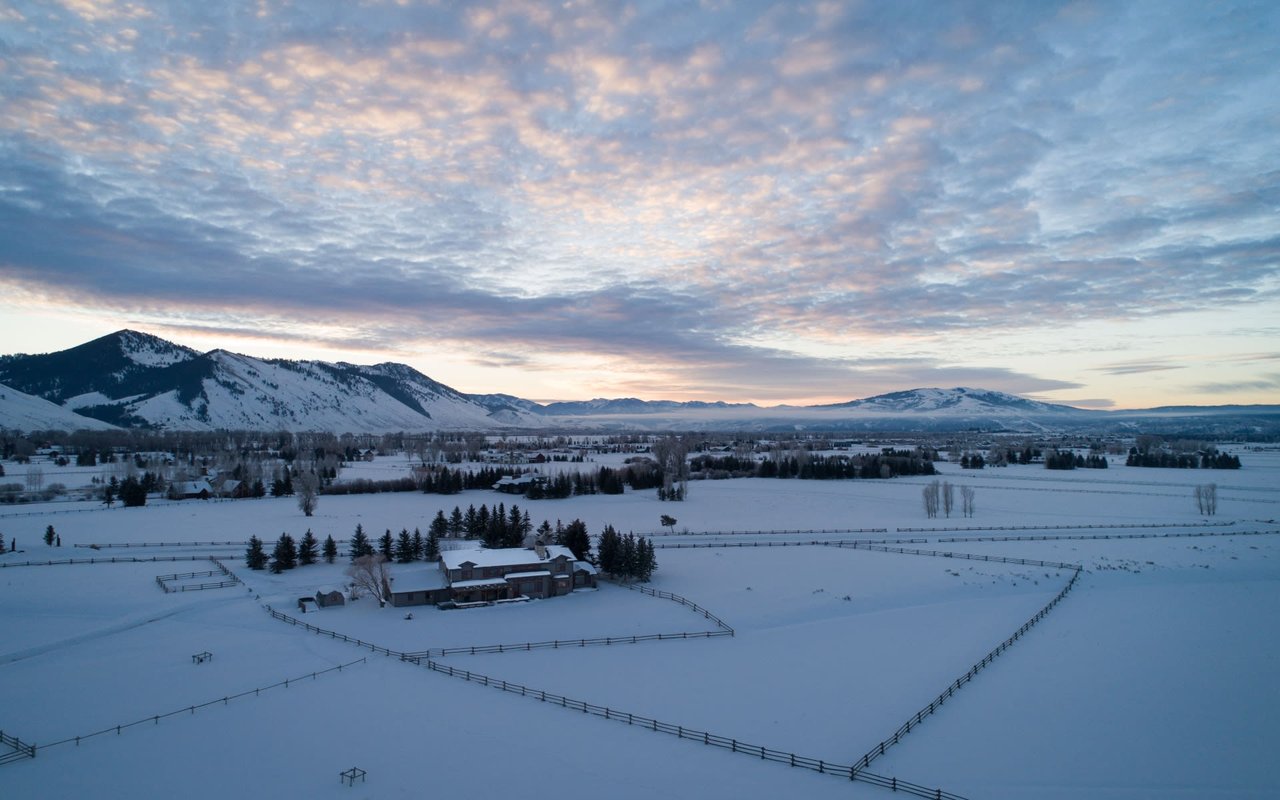
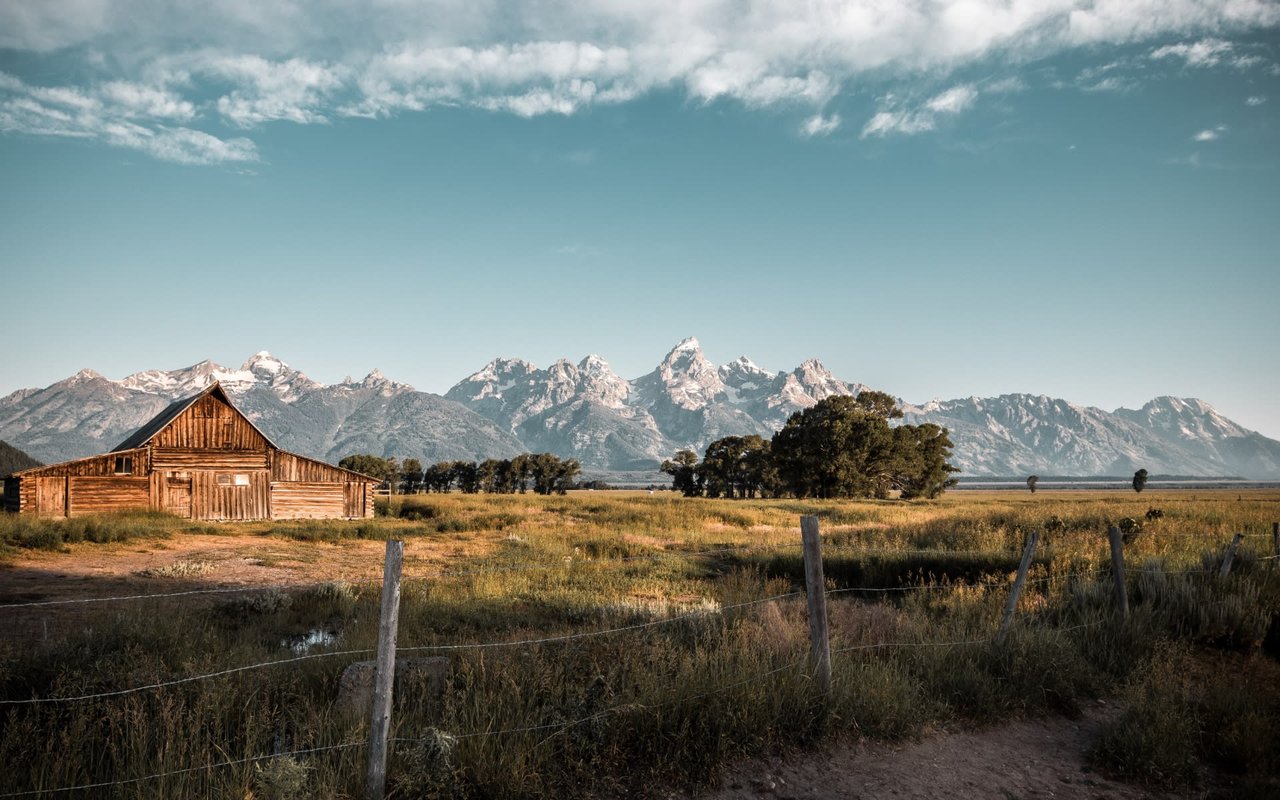
Natural beauty surrounds Wilson at every turn. The Teton Range provides a dramatic western backdrop visible from countless vantage points. Fish Creek meanders through the community. Wildlife moves through daily routines alongside human neighbors. Seasonal changes—from snow-covered winter mornings to summer's explosion of wildflowers—create an ever-evolving natural canvas that residents never tire of experiencing.
The separation from Jackson's commercialization appeals to those seeking respite from tourism intensity. Wilson offers essential services and beloved local establishments while avoiding the crowds, traffic, and bustle that characterize the town square area. This strategic distance—close enough for convenience, far enough for peace—optimizes the Jackson Hole experience.
Wyoming's tax advantages add financial appeal. No state income tax, no estate tax on out-of-state retirement income, and relatively modest property taxes compared to the asset values involved make Wyoming one of the most favorable tax jurisdictions for high-net-worth individuals. For those relocating from high-tax states, these advantages can represent substantial ongoing savings.
The community's unpretentious character creates comfort for residents of substantial means who prefer avoiding the social display common in other luxury destinations. Wilson's "part hippie, part cowboy" ethos means that neighbors judge one another by participation in community life rather than visible wealth. This creates social ease uncommon in comparably affluent areas.
Wilson encompasses several distinct neighborhoods and areas that command premium positioning within the already exclusive local market. Understanding these micro-locations helps buyers target properties aligned with specific priorities.
Fish Creek Ranch represents serene Wilson living at its finest, featuring spacious homes on large lots with mountain and meadow views. Direct access to Fish Creek and the Snake River provides fishing opportunities steps from home, while proximity to hiking and biking trails appeals to outdoor enthusiasts. Wildlife sightings are routine, and the setting provides privacy while maintaining reasonable access to Wilson village amenities.
Stilson Ranch has emerged as one of Wilson's most desirable family-oriented neighborhoods. This 28-homesite subdivision offers lots ranging from 0.75 to 2.5 acres, featuring ponds, creeks, and protected ranchland views. Private roadways ensure quiet, while pathway connections enable walking and biking to Wilson, Teton Village, or Jackson. The neighborhood's proximity to Wilson Elementary School—within walking distance—particularly appeals to families with young children. Home sizes range from approximately 2,500 to 7,000 square feet in Western rural and contemporary styles.
Hidden Hills Ranches provides an exclusive, upscale mountain retreat experience. Nestled among forests and rolling hills, this prestigious neighborhood offers privacy, panoramic valley views, and custom-built homes with exceptional craftsmanship. Expansive outdoor spaces blend with the natural landscape, creating sophisticated mountain living for those seeking both solitude and elegance.
North Fish Creek Road corridor contains some of Wilson's most coveted estate properties, with large acreage parcels offering end-of-road privacy, direct Teton Range views, and access to Fish Creek frontage. Properties here frequently exceed $10 million and may include multiple structures, extensive water features, and equestrian facilities.
Tucker Ranch features trophy properties fronting Tucker Lake, with easement access to Snake River banks. These large-lot homes on 5+ acres command premium pricing for their water frontage, Grand Teton views, and convenient West Bank location.
The Aspens neighborhood, located between Wilson and Teton Village along Highway 390, offers condominium and townhome options providing lower-maintenance alternatives with ski resort proximity. Properties here appeal to seasonal residents and those seeking turnkey ownership without large-acreage responsibilities.
Teton Pines provides country club living with Arnold Palmer-designed golf, tennis, and swimming amenities. Properties here combine recreational amenities with Wilson's broader appeal, though HOA requirements and fees reflect the comprehensive service level.
Downtown Wilson village proper—the blocks immediately surrounding the Stagecoach Bar and historic commercial area—offers walkable living with direct access to community establishments. Properties here are rare and command premiums for their convenience and historic character.
Wilson suits a specific buyer profile that values authenticity, outdoor access, community connection, and natural beauty above the amenities and services typical of more developed resort communities. Understanding this alignment helps prospective purchasers evaluate fit before committing to Wilson's premium pricing.
Active outdoor enthusiasts find Wilson ideal. Whether priorities include backcountry skiing, alpine skiing, fly fishing, hiking, mountain biking, climbing, or wildlife observation, Wilson provides immediate access to world-class opportunities across disciplines. Residents who structure their lives around outdoor pursuits—adjusting schedules to catch morning powder or evening rises—will maximize Wilson's recreational value.
Families with school-aged children benefit from Wilson Elementary's exceptional academics and community integration, combined with the childhood experiences available in this outdoor-oriented environment. Children growing up in Wilson learn to ski, fish, hike, and appreciate nature as integral parts of daily life rather than occasional activities.
Remote workers and business owners with flexibility in location can leverage Wilson's combination of quality of life and Wyoming's favorable tax environment. Fiber-optic internet availability supports professional demands, while the lifestyle benefits provide compelling reasons to base operations here rather than in traditional urban centers.
Retirees and semi-retired individuals seeking active lifestyles in spectacular settings find Wilson appealing, particularly those with existing connections to the Jackson Hole community. The manageable scale of Wilson village, combined with proximity to Jackson's services and healthcare facilities, supports aging in place better than more remote locations.
Second-home buyers seeking a mountain retreat that offers authentic experience rather than generic resort programming will appreciate Wilson's character. Properties here serve as gathering places for multi-generational families, bases for annual ski trips, and retreats from urban primary residences.
Those who prioritize privacy and separation from tourist crowds while maintaining recreational access represent ideal Wilson residents. The community provides respite without isolation—quiet evenings at home give way to Sunday mornings at the Stagecoach or powder days at Jackson Hole Mountain Resort.
Wilson may be less suitable for those seeking extensive dining, shopping, and entertainment options within walking distance; those requiring easy air travel access for frequent business trips; those uncomfortable with wildlife encounters, winter driving challenges, or rural service levels; or those expecting the amenity packages typical of managed resort communities. Understanding these limitations ensures appropriate expectations.
Ultimately, Wilson rewards those who come seeking a particular quality of life—one defined by stunning natural surroundings, genuine community connections, world-class recreation, and the privileged simplicity of mountain living at its finest. For those aligned with these values, Wilson delivers an experience that fully justifies its considerable cost of entry.
There's plenty to do around Wilson, including shopping, dining, nightlife, parks, and more. Data provided by Walk Score and Yelp.
Explore popular things to do in the area, including L J Cookies, Simply Baked JH, and Streetfood at the Stagecoach.
| Name | Category | Distance | Reviews |
Ratings by
Yelp
|
|---|---|---|---|---|
| Dining | 2.88 miles | 0 reviews | 0/5 stars | |
| Dining | 2.88 miles | 0 reviews | 0/5 stars | |
| Dining · $$ | 4.07 miles | 115 reviews | 4.3/5 stars | |
| Dining | 4.08 miles | 0 reviews | 0/5 stars | |
| Dining | 4.08 miles | 0 reviews | 0/5 stars | |
| Dining | 4.09 miles | 15 reviews | 4.9/5 stars | |
| Dining | 4.1 miles | 0 reviews | 0/5 stars | |
| Dining · $$ | 4.14 miles | 327 reviews | 3.8/5 stars | |
| Dining | 4.16 miles | 34 reviews | 4.7/5 stars | |
| Dining · $$ | 4.2 miles | 7 reviews | 4.1/5 stars | |
| Dining | 4.2 miles | 1 review | 4/5 stars | |
| Dining | 4.25 miles | 0 reviews | 0/5 stars | |
| Dining | 4.25 miles | 0 reviews | 0/5 stars | |
| Dining | 4.25 miles | 5 reviews | 5/5 stars | |
| Dining · $ | 4.25 miles | 59 reviews | 3.5/5 stars | |
| Shopping | 4.15 miles | 0 reviews | 0/5 stars | |
| Active | 4.13 miles | 0 reviews | 0/5 stars | |
| Active | 4.18 miles | 26 reviews | 5/5 stars | |
| Active | 4.21 miles | 21 reviews | 5/5 stars | |
| Active | 4.25 miles | 0 reviews | 0/5 stars | |
| Active | 4.28 miles | 0 reviews | 0/5 stars | |
| Nightlife | 4.12 miles | 31 reviews | 3.6/5 stars | |
| Beauty | 2.88 miles | 1 review | 5/5 stars | |
| Beauty | 4.43 miles | 0 reviews | 0/5 stars | |
|
|
||||
|
|
||||
|
|
||||
|
|
||||
|
|
||||
|
|
Wilson has 1,359 households, with an average household size of 2.05. Data provided by the U.S. Census Bureau. Here’s what the people living in Wilson do for work — and how long it takes them to get there. Data provided by the U.S. Census Bureau. 2,807 people call Wilson home. The population density is 13 and the largest age group is Data provided by the U.S. Census Bureau.
Total Population
Population Density Population Density This is the number of people per square mile in a neighborhood.
Median Age
Men vs Women
Population by Age Group
0-9 Years
10-17 Years
18-24 Years
25-64 Years
65-74 Years
75+ Years
Education Level
Total Households
Average Household Size
Average individual Income
Households with Children
With Children:
Without Children:
Marital Status
Blue vs White Collar Workers
Blue Collar:
White Collar:
Jeff Ward | July 22, 2022
Reasons why now is the right time to list your Jackson Hole home for sale.
September 3, 2026
September is arguably one of the best times of year in the Tetons.

Jeff Ward | September 6, 2022
Important things to know to help you save.
August 6, 2026
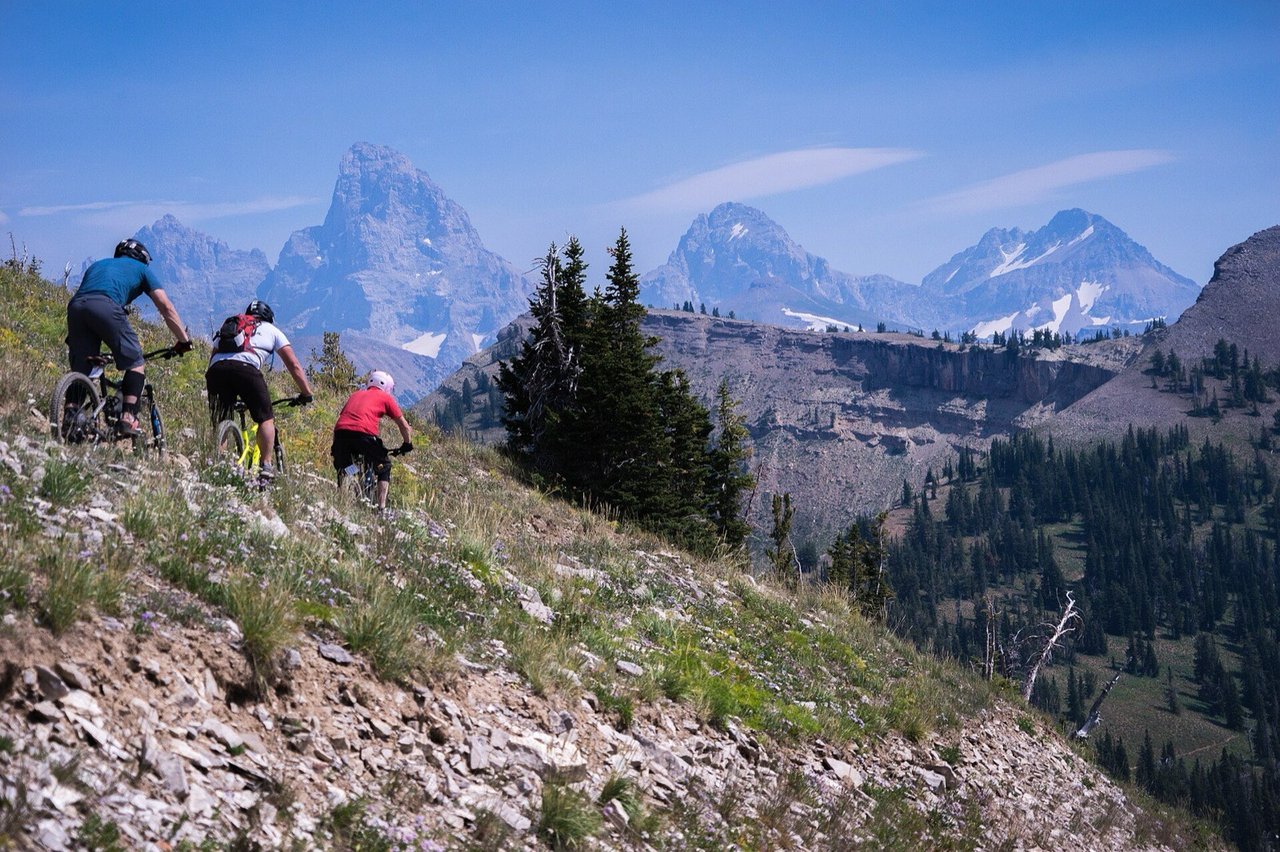
There are places in the mountain west that feel preserved in time.

May 21, 2024
Explore Top Shopping Destinations in Jackson Hole.

February 10, 2025
Navigating Wealth Preservation and Tax Strategies in the Equality State.

May 21, 2024
Dine on exotic game or plan your brunch at these restaurants.

February 10, 2025
Navigating Taxes to Make Smart Real Estate Investments in Wyoming’s Scenic Paradise.
January 5, 2024
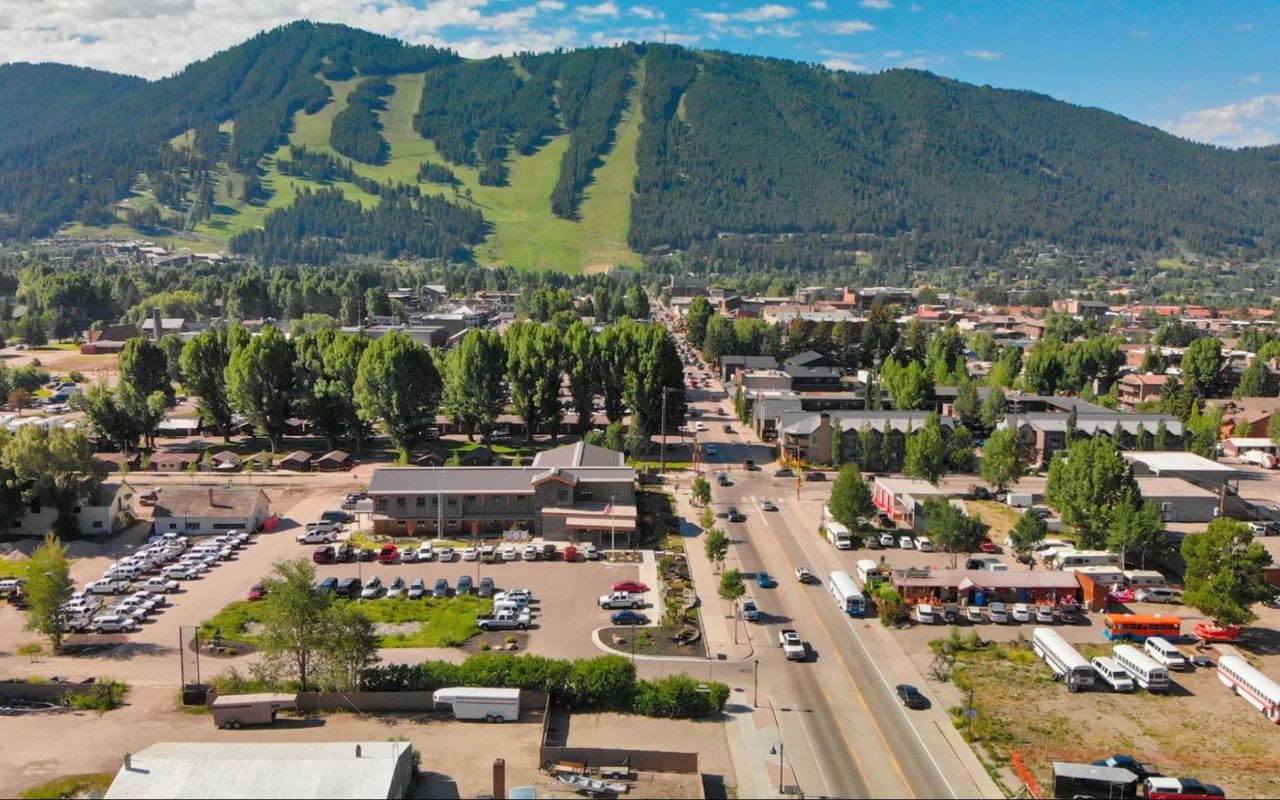
Cultivating opportunities in the heart of the Rockies.

May 9, 2026
Your Guide to the Top Country Clubs in Jackson Hole for Golfers and Luxury Buyers.
May 16, 2025
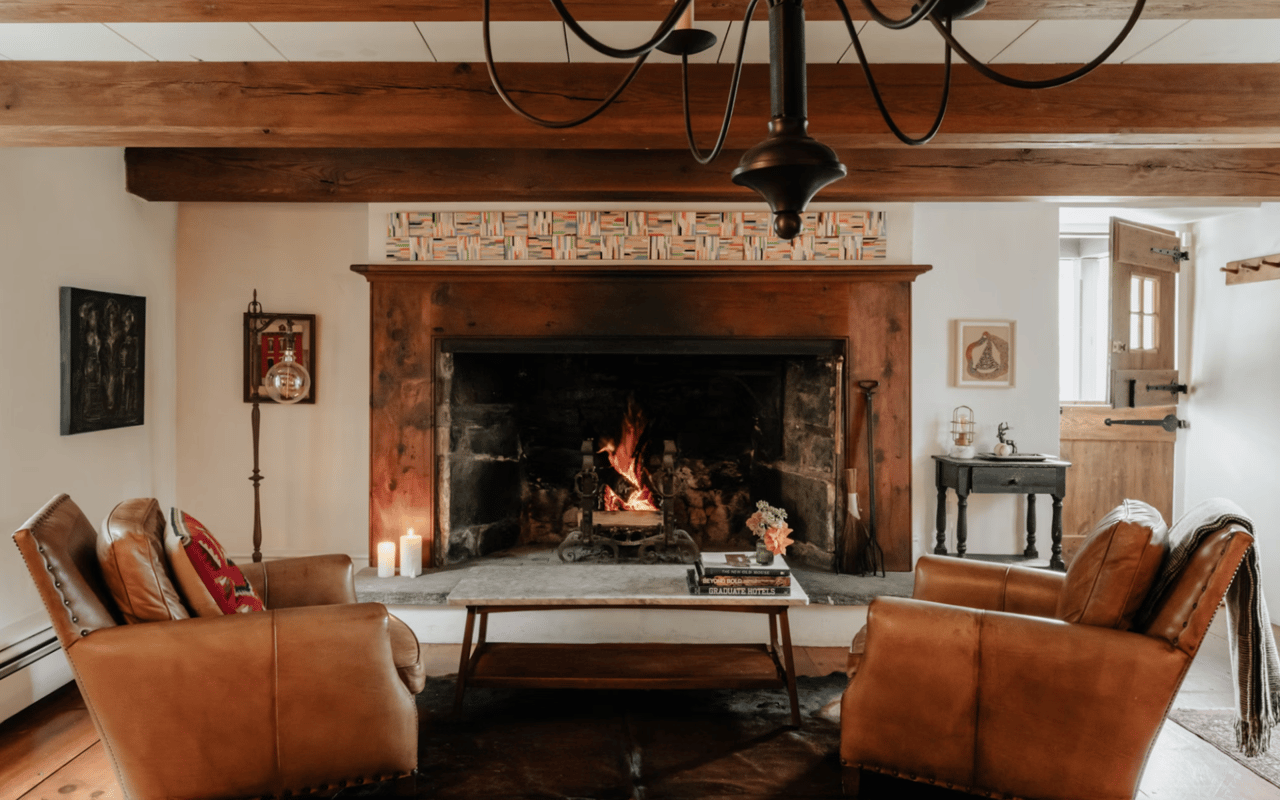
Elevate your mountain living with thoughtfully curated interiors.
June 3, 2025
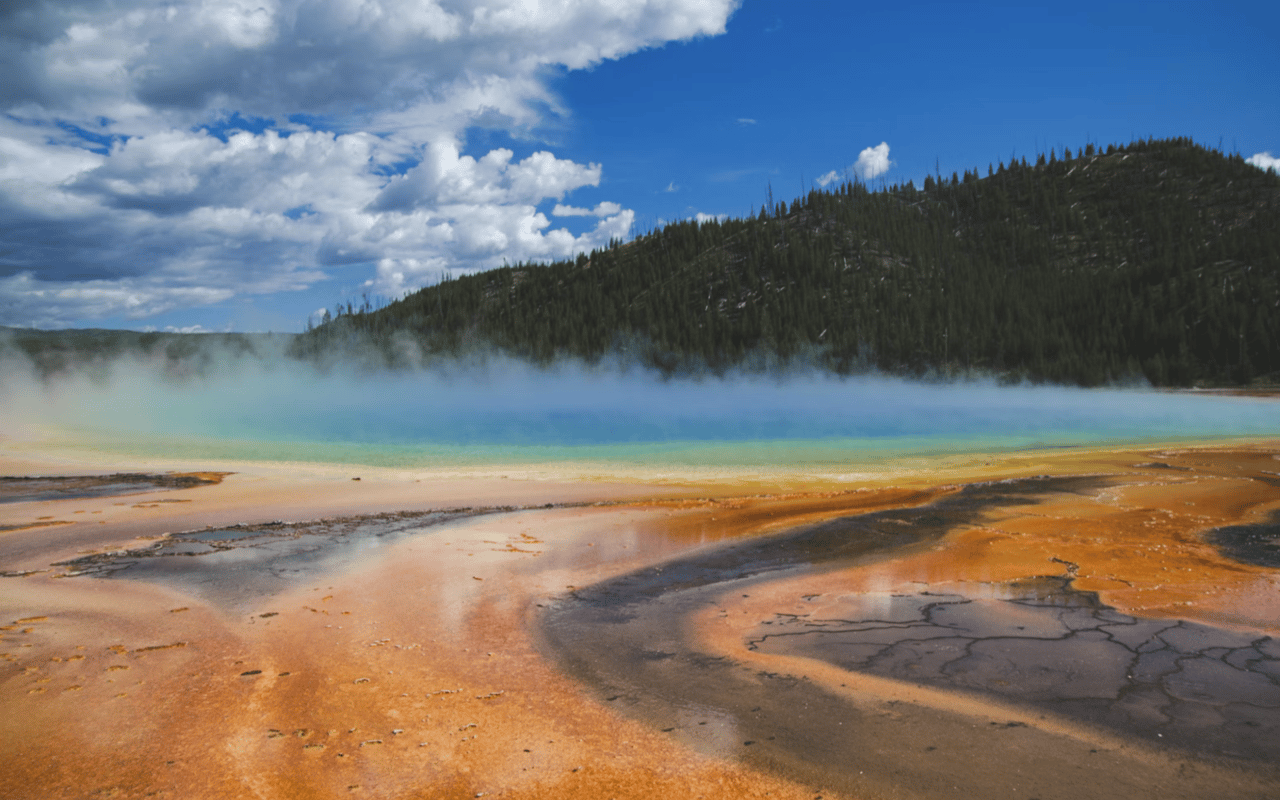
Scenic routes, practical tips, and must-see stops to make the most of your adventure.
June 3, 2025
Off-the-beaten-path experiences that bring a fresh perspective to Wyoming’s most iconic landscapes.
January 13, 2025
Breaking Down Expenses, Housing, and Lifestyle in Wyoming’s Premier Mountain Town.
July 17, 2026
Take a look at Jackson Hole's real estate market through the first half of 2026.

July 14, 2026
Summer in Jackson Hole is one of the most exciting times of year.
July 9, 2026
Inside the Lifestyle and Culture of a Wyoming Mountain Town
June 11, 2026
Transform your house from a winter abode to a summer dream home

Jeff Ward | October 16, 2022
5 reasons realtors prefer MLS-listed properties.
May 14, 2026
May 9, 2026
How to Find Homes with Views in Jackson Hole That Match the Landscape.
May 9, 2026
A Guide to Luxury Homes in Jackson Hole for Discerning Buyers.
February 6, 2026
How Home Warranties Work for Jackson Hole Buyers and Sellers.
Jeff Ward | February 13, 2024
The best things to do in Jackson, Wyoming this summer.

February 13, 2024
All the reasons to sell with an expert agent by your side.
February 6, 2026
What Impacts Home Resale Prices Most in Jackson Hole, WY.
January 22, 2026
The Ultimate Guide To Making Every Moment Count.
December 18, 2025
Your Essential Guide to Preserving Value and Enjoyment in Every Season.
January 5, 2024
The art of home-selling in Jackson Hole.
Jeff Ward | January 5, 2024
Unveiling Yellowstone's charms.
November 6, 2025
Events range from ski competitions to the lighthearted Gaper Day.

November 6, 2025
Skiiers take to Jackson and Teton Village after hanging up their boots.

October 21, 2025
Unique Insights Into Life, Landscape, and Living in Wyoming’s Iconic Mountain Town.

October 21, 2025
Key Selling Strategies in Jackson Hole Based on Current Buyer Demand.
September 25, 2025
Understanding Seasonal Patterns to Maximize Your Sale in Jackson Hole, WY.
September 25, 2025
What Sellers in Jackson Hole, WY Should Know About Home Warranty Coverage.
June 18, 2024
See for yourself why Jackson Hole is a national treasure.

Jeff Ward | October 5, 2023
Your guide to making the most of your investment in Teton Village real estate.
April 22, 2024
Maximizing Your Home's Value: The Ultimate Guide to Selling Your House.
October 14, 2024
Elevating Elegance and Innovation.

Jeff Ward | December 7, 2022
Is 2023 your year to earn record profits from house flipping? Here’s what you need to know about house flipping in Jackson, Wyoming.
August 19, 2025
Understanding the Legal Requirements for Selling Your Home in Jackson Hole.
August 19, 2025
Strategies to Attract and Engage Buyers from Different Regions.

July 21, 2025
Key Legal Insights for Purchasing Property in Wyoming’s Most Sought-After Market.

July 21, 2025
Overcoming Obstacles in One of the Country’s Most Competitive Luxury Markets.
July 21, 2025
Plan Your Trip Around Seasonal Highlights in Grand Teton and Yellowstone.
July 21, 2025
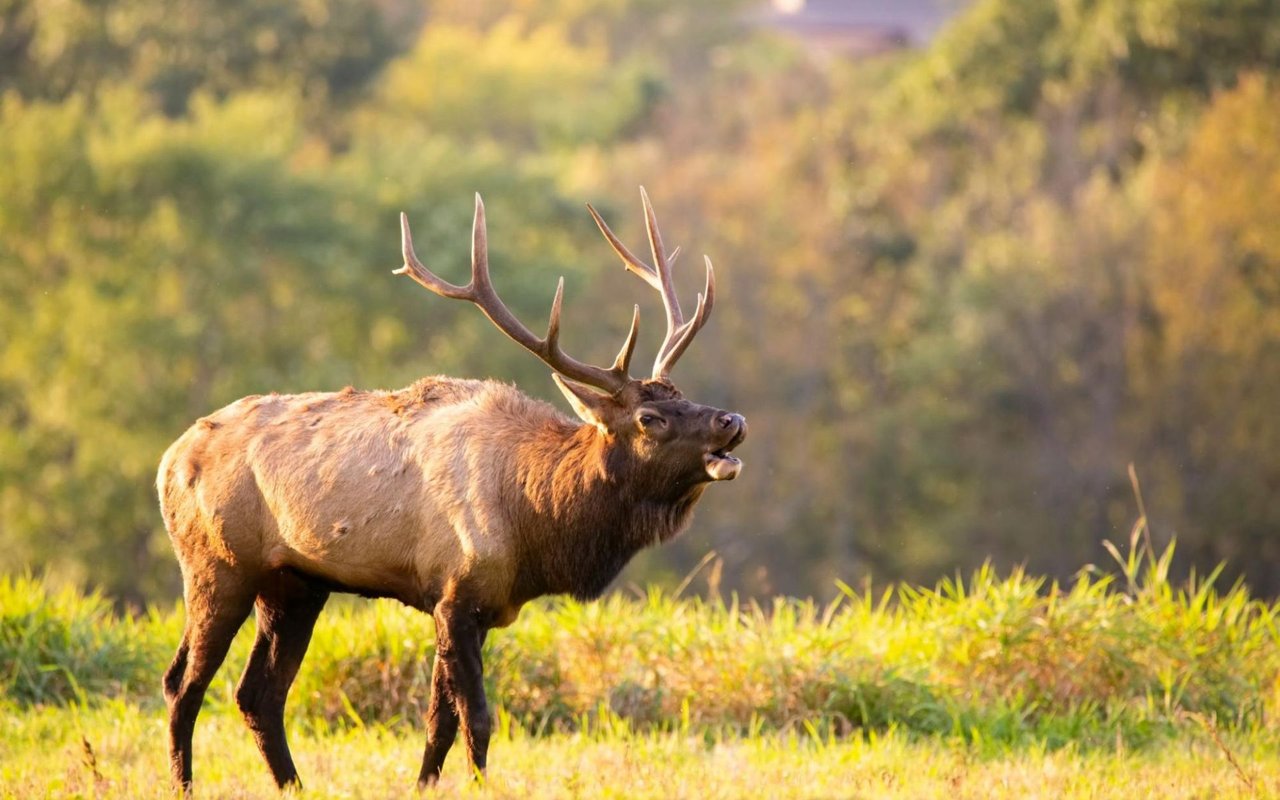
Discover the Rich Wildlife of Grand Teton and Yellowstone National Parks.

May 16, 2025
Explore the Finest Wine Tasting Experiences in Jackson Hole.
July 8, 2024
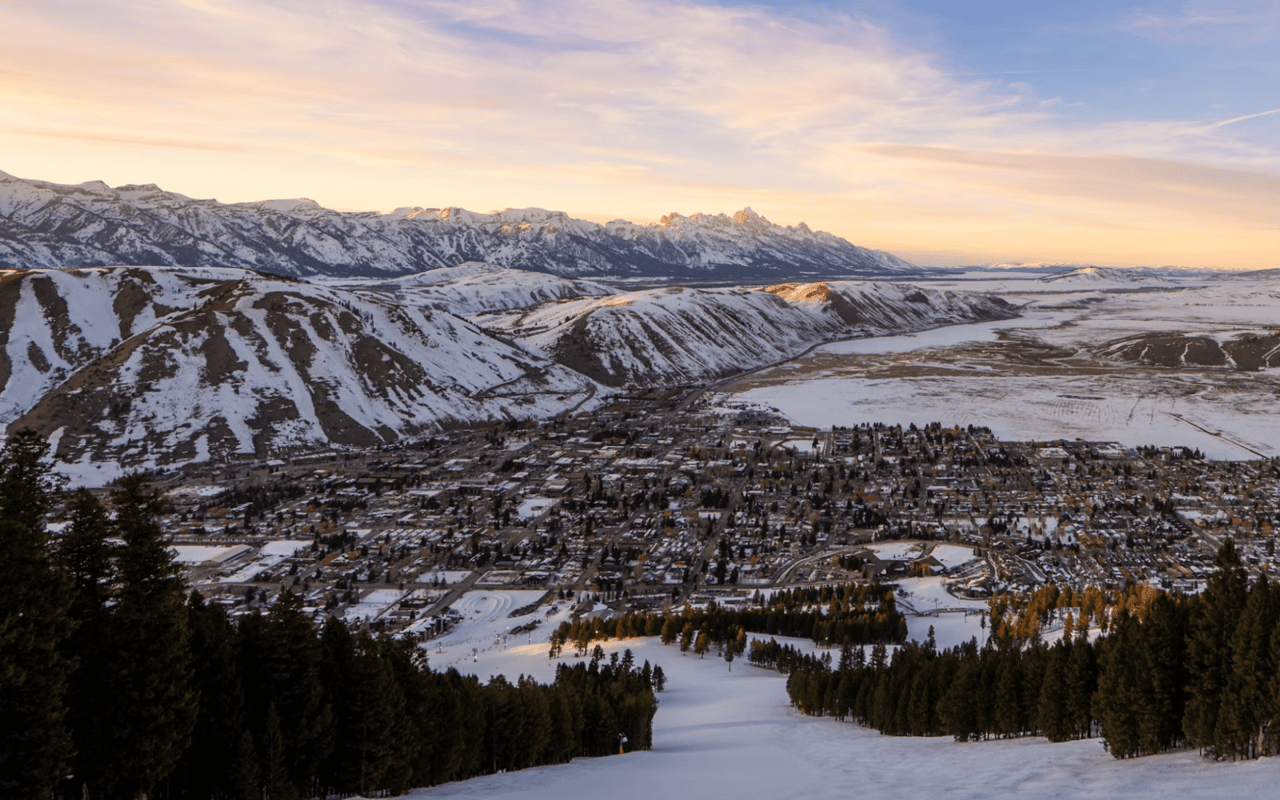
A Comprehensive Guide to Life in Wyoming’s Scenic Jackson Hole.
July 8, 2024
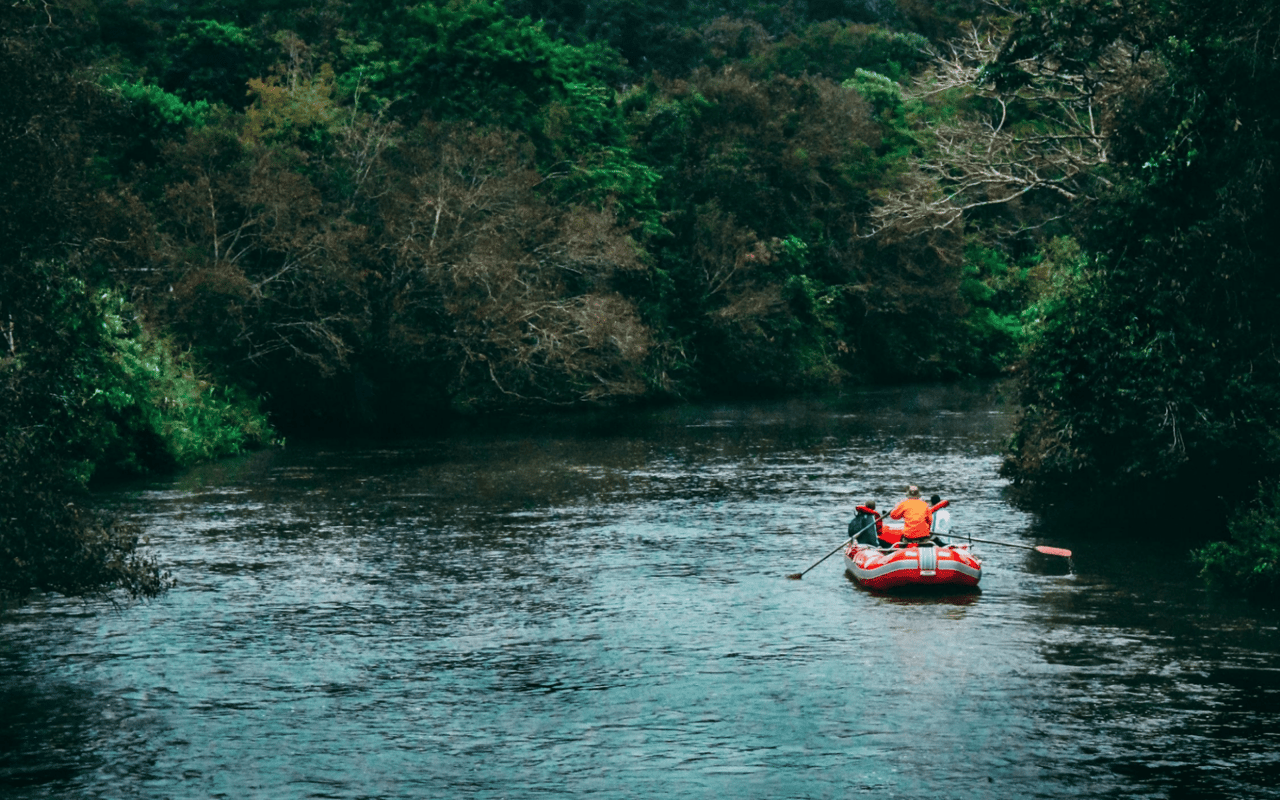
Discover recreational pursuits year-round in spectacular Jackson Hole.

March 14, 2025
Maximizing Savings While Owning a Home in the Equality State.

January 13, 2025
How to Future-Proof Your Home with the Latest Smart Technologies.

September 23, 2024
Key Tips for Choosing the Right Professional to Guide Your Home Buying or Selling Journey.

Jeff Ward | October 28, 2024
Expert Guidance for Your Jackson Hole Real Estate Journey.

November 20, 2024
Streamline Your Move with Smart Planning and Proven Strategies.
September 23, 2024
Key Considerations for Making a Smart Investment.
September 3, 2024
What You Need to Know to Make an Informed Decision.
September 2, 2024
A Comprehensive Guide for Homeowners.

August 5, 2024
Maximizing Your Investment with Strategic Upgrades.
July 1, 2024
Yellowstone and Grand Teton headline Jackson Hole’s best parks.

June 1, 2024
Discover why so many visitors fall in love with Jackson Hole.
May 21, 2024
Exploring the Trails of Jackson Hole: A Hiker's Paradise.
Jeff Ward | April 26, 2024
This gorgeous ravine in the Grand Tetons is no mirage.
Jeff Ward | April 22, 2024
Your Comprehensive Guide to Moving to Jackson Hole.

Jeff Ward | February 12, 2024
An ultimate guide.
Jeff Ward | May 10, 2023
Your gateway to an elevated lifestyle in the heart of the American west.
Jeff Ward | March 16, 2023
Options to consider to obtain the best return on your investment.
Jeff Ward | February 6, 2023
Important steps to find your dream home in Wilson, WY.