Jackson Hole Real Estate Market 2026: Trends, Forecasts & Expert Insights
Jeff & Kelli Ward January 5, 2024
Jeff & Kelli Ward January 5, 2024
Updated: April 2026
Jackson Hole isn't just one of America's most breathtaking places to live — it's one of its most resilient real estate markets. While much of the country navigates price corrections, rising inventory, and buyer hesitation, the valley continues to operate by its own set of rules. Structurally limited land, Wyoming's unmatched tax advantages, and a sustained influx of high-net-worth buyers have kept Jackson Hole in a league of its own.
But 2026 isn't without its nuances. After the record-shattering highs of 2024 and 2025, the market is entering a phase of strategic normalization — and for the right buyer, seller, or investor, that shift creates opportunity. Here's everything you need to know.
Before diving into the numbers, it helps to understand what makes this market structurally different from virtually every other luxury destination in the country.
A staggering 97% of Teton County land is federally owned or under conservation easement — meaning it can never be developed. That permanent scarcity creates a pricing floor that no amount of national market softening can fully erode. Pair that with Wyoming's status as one of the most tax-favorable states in the nation (no state income tax, no estate tax, no gift tax), and you have a market that functions more like a global wealth-preservation asset than a typical housing market.
In 2026, that thesis is stronger than ever. Wyoming has surpassed Nevada and South Dakota in some rankings as the top state for dynasty trusts and multi-generational asset protection. Buyers from California, New York, Illinois, and increasingly Texas and Florida are not just purchasing vacation homes — they are establishing primary legal residency to meet Wyoming's 183-day rule and permanently reduce their tax burden.
The result is a "wealth migration" market. Total population growth is flat or slightly negative, but demand for high-end real estate has never been more strategic or deliberate.
The headline numbers tell a story of normalization at the top of the market — but context is everything.
The current median sale price for a single-family home in Teton County sits at approximately $3,500,000, down roughly 23% from the peaks of the prior cycle. For condos and townhomes, the median has risen to approximately $1,125,000, up about 18% year-over-year, reflecting robust demand in the luxury condo segment.
That single-family price drop deserves explanation. It is not a sign of a crashing market. What's happening is a shift in inventory mix: a higher volume of sales in the $2M–$4M range in early 2026 has pulled the overall median down, even as price-per-square-foot remains near all-time highs at $929 per square foot as of March 2026. The ultra-luxury tier — estates at $10M and above — is actually accelerating, with luxury closings at $5M+ up 86% compared to the previous cycle and total luxury sales volume approaching $2 billion when off-market deals are included.
Other key metrics as of early 2026:
Single-family homes are averaging 157 days on market, while condos are moving faster at around 125 days — roughly 20–30% quicker. Active inventory valley-wide has increased 16% year-over-year to approximately 291 total listings, offering buyers slightly more breathing room than the extreme post-pandemic scarcity. However, nearly 38% of all active listings are priced above $10 million, meaning the pool of "attainable" options under $3M consists of fewer than 40 properties in the entire county.
The negotiating dynamic has also shifted. Homes are now selling at approximately 93.8% of list price for single-family and 96.5% for condos, with 84.5% of homes selling below asking. This is a meaningful change from the frenzied 2021–2022 environment and signals that buyers — while still competing — now have room to negotiate.
Where you buy within Teton County matters enormously. The valley is not a monolithic market — it is a collection of micro-markets, each with its own pricing dynamics.
Wilson, WY commands the highest prices in the valley, with a median list price of $3.6 million. Properties here — particularly along the Westbank and Fall Creek Road south of Wilson — represent the "gold standard" for long-term appreciation. Fall Creek Road has seen a nearly 300% increase in transactions recently as buyers seek the privacy of Wilson without the $15M+ price tags of the most exclusive Westbank estates.
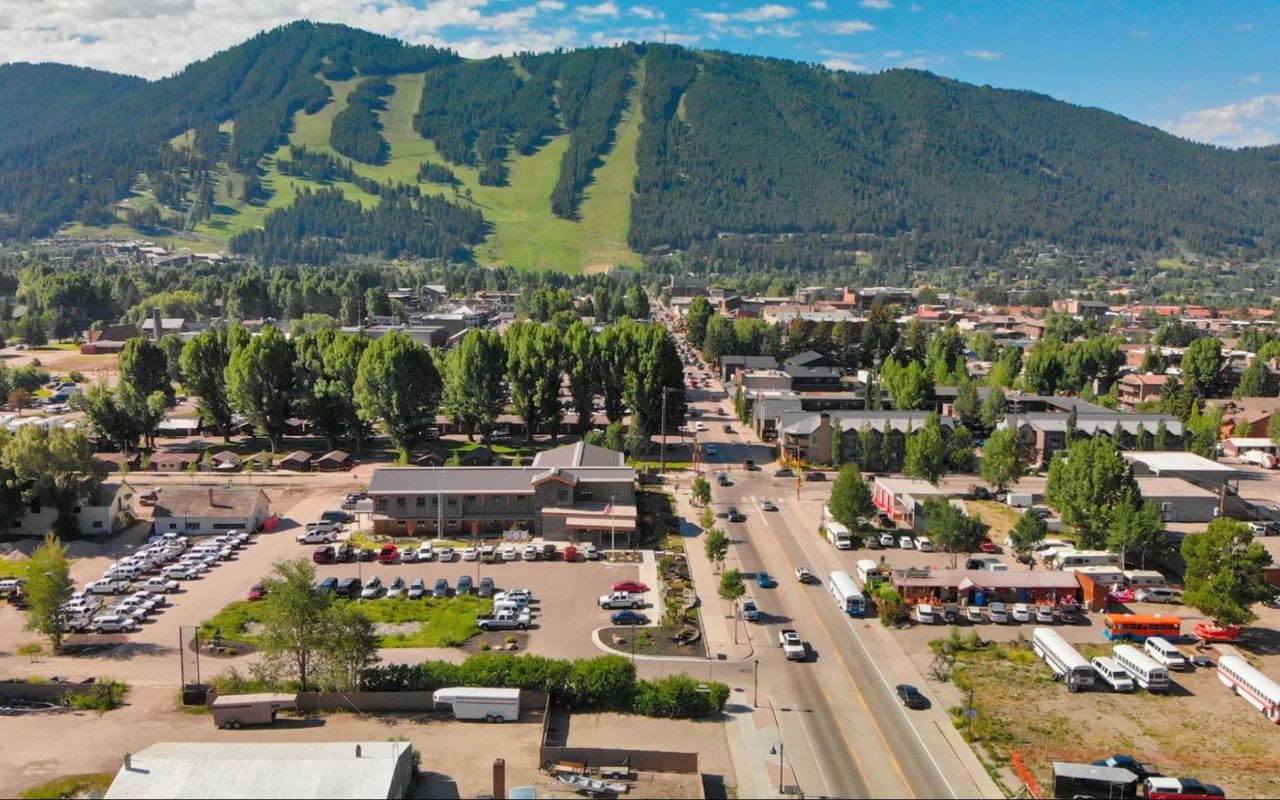
The Town of Jackson is the volume leader, accounting for nearly 45% of all transactions. It offers the most consistent flow of attainable luxury options and is the only area with a steady supply of condos and townhomes in the $1M–$3M range. New high-end builds along Glenwood Street are now commanding upwards of $6.4 million, while developments near the National Elk Refuge like Hidden Hollow are listing 3-bedroom units between $4.4M and $5.8M.
Teton Village is primarily a condo and resort-access market, with a median listing price around $932,250 — though high-end units frequently exceed $3M, and developments like 3355 Cody Lane are redefining the ceiling with listings ranging from $11M to $25M.
The hottest price band in the current market is $5M to $10M, which represents the largest share of dollar volume and functions as the true "entry-level" for a single-family home in the luxury tier.
Several significant projects are currently redefining key areas of Jackson Hole and are worth watching closely for their impact on surrounding values.
The Porter Ranch is the most significant residential development in decades — the first new major subdivision in over 30 years. It introduces rare land parcels to a market where buildable private land is essentially extinct, making it a landmark opportunity for buyers seeking to build custom estates.
Faraway Jackson Hole and Trailborn Jackson Hole are both opening in June 2026. Faraway, a complete reimagining of the former Snake River Lodge & Spa in Teton Village, adds 90 luxury rooms and 48 residences with ski-in/ski-out access. Trailborn brings a 203-room premium resort to the base of Snow King Mountain, modernizing the Town's amenities and bridging the gap between mountain access and urban luxury.
The Hoback Club in Teton Village has already proven its impact — these new luxury condo units were a primary driver of the 131% increase in luxury closings seen in 2025.
On the workforce side, Teton County currently has approximately 228 deed-restricted housing units under construction, including The Loop Apartments (82 units) and Parkside Phase III in partnership with Habitat for Humanity. These projects are not for luxury buyers, but they are critical — maintaining the local workforce that services the valley's estates, resorts, and hospitality industry.
As Teton County prices continue to push residents and investors outward, Lincoln and Sublette counties have transitioned from quiet rural areas into high-demand commuter-luxury markets. Even at current levels, a single-family home in either county costs roughly one-sixth the price of one in Jackson Hole.
Lincoln County currently has a median sale price of approximately $557,667, down roughly 20% from its 2024–2025 peak — a normalization driven by a handful of multi-million dollar ranch sales that had temporarily skewed the median upward. The underlying market for standard single-family homes remains robust. Days on market run between 89 and 127 days, and with around 151 active listings, the market is balanced and stable.
The standout community here is Alpine, WY, which has become a hub for pilots (thanks to the Alpine Airpark) and outdoor enthusiasts, with a growing culinary and brewery scene that makes it increasingly livable in its own right. Star Valley Ranch is also worth watching — prices dipped roughly 19% year-over-year, creating a potential "buy the dip" opportunity for those seeking a managed community with golf and trail access at a fraction of Teton County pricing.
Sublette County tells a different story. With a current median sale price of approximately $534,150 — up 13.9% year-over-year — it's actually appreciating while Teton normalizes. With around 194 active listings and some properties sitting 200+ days on market, this is firmly a buyer's market. The town of Pinedale has a higher median of $649,500 and is drawing "lifestyle buyers" who find Jackson too crowded and commercialized. Nearby Daniel, WY is one of the last places in the region where you can find large-acreage parcels under $1M with distant Teton views.
For buyers priced out of Teton County or looking to maximize land and space per dollar, both counties represent compelling, underexplored options.
The profile of the Jackson Hole buyer has shifted meaningfully since the pandemic years. The "escape to nature" buyer has largely been replaced by a more deliberate, financially sophisticated buyer motivated by capital preservation.
Today's buyers are not panic-purchasing. They are waiting for what locals call "irreplaceable assets" — large-scale land parcels, properties adjacent to conservation land, or estates with "live water" (creeks and rivers on the property). These assets command price-per-square-foot figures of $2,500 to $3,000 or more.
There is also a rising influx of buyers from Texas and Florida, joining the traditional feeders of California and New York. The motivation for this new cohort is partly tax-driven, but also climatic — Jackson Hole is increasingly positioned as a "climate hedge" property for wealthy buyers seeking cooler mountain environments for the long term.
The shift toward full-time tax residency is perhaps the most consequential trend in the current market. Buyers are no longer purchasing second homes to visit a few weeks a year. They are restructuring their lives around Wyoming's 183-day residency rule to legally establish domicile and escape state income taxes in their home states. This "permanent resident" buyer tends to be more committed, more deliberate, and more likely to invest in property improvements — all of which is positive for long-term neighborhood values.
If the single-family market is defined by patience and "irreplaceable assets," the condo and townhome market is where the action is in 2026.
With approximately 36 to 64 active units valley-wide — still 36% below pre-2024 levels — condo inventory remains exceptionally tight. At a median price around $1.125M to $1.2M, condos sit at a psychological sweet spot for cash buyers who are far less sensitive to mortgage rate movements than the broader national market.
The condo buyer in 2026 falls into three main categories. The first is the tax-resident investor, purchasing a unit as a "starter" Wyoming property to establish 183-day residency before potentially upgrading to a larger estate. The second is the luxury vacationer, concentrated in Teton Village, prioritizing ski-in/ski-out access and personal use over rental income. The third is the downsizing local — long-time Teton County homeowners selling large Wilson or South Park estates and moving into high-end Town condos for easier maintenance.
New supply continues to trickle in. The McCollister Drive corridor in Teton Village is seeing small-batch luxury deliveries, while the West Kelly and Snow King neighborhoods in town are adding boutique 2-to-4 unit townhome projects. For investors, the key distinction is zoning — properties within the Short-Term Rental Overlay (Teton Village, The Aspens, and specific Town lodging zones) command a 15–20% premium over units in standard residential areas due to their STR eligibility.
The rental landscape in Teton County has stabilized at remarkably high levels. The average monthly rent for a two-bedroom in the Town of Jackson now sits between $4,600 and $5,000, with luxury units in Wilson or Teton Village exceeding $8,000 per month. For context, deed-restricted affordable units — reserved for households qualifying at 80–120% of the median family income — are capped at $2,264 to $3,396 per month.
Rental vacancy is effectively nonexistent. The county's vacancy rate is estimated at under 2%, compared to Wyoming's statewide rate of roughly 7.1%. Available units frequently receive dozens of applications within 24 hours of listing.
One notable shift from older data: the renter-occupied share of the housing stock has declined from the ~59% figure often cited in older reports to approximately 43–45% today. This reflects two trends — high-earning renters transitioning into ownership, and a growing share of the housing stock being converted into seasonal second homes that sit vacant for part of the year.
For short-term rental investors, Jackson Hole has achieved a remarkable milestone: it is currently ranked the #1 summer destination in the U.S. for STR bookings according to AirDNA's Summer 2026 data. The average daily rate stands at $627, climbing to $736–$757 during the July and August peak. Annual occupancy averages 46.5%, with top-performing properties achieving 83%+ occupancy. The average annual revenue for an Airbnb or VRBO listing in Jackson is approximately $83,437.
However, a critical caveat for investors: zoning is destiny in this market. The county enforces a strict 31-day minimum rental rule across the vast majority of Teton County. Short-term rentals (under 31 days) are only permitted within specifically designated Resort Districts and Lodging Overlays, primarily in Teton Village, The Aspens/Teton Pines, and select Town of Jackson lodging zones. Enforcement has intensified, with fines now reaching $750 per day for illegal STR operation. The county uses automated software to cross-reference Airbnb and VRBO listings against permitted addresses. If you are buying for STR income, confirm zoning eligibility before making an offer — not after.
The broader mortgage environment is more favorable in 2026 than it has been in several years. The national 30-year fixed rate currently sits between 6.30% and 6.66%, down meaningfully from the ~7% levels of a year ago. The Federal Reserve has held its benchmark rate steady at 3.64% through early 2026 after a series of small cuts in late 2025, with recent FOMC guidance suggesting a cautious "wait and see" posture as inflation continues to cool.
Fannie Mae forecasts that 30-year mortgage rates will dip below 6.0% by Q4 2026, with a target of approximately 5.9%. Morgan Stanley and J.P. Morgan view 2026 as an inflection point where lower borrowing costs will revive transaction volumes that were relatively subdued throughout 2025.
For the broader Wyoming market, the statewide median sale price is approximately $418,200 — and in most of the state, conditions currently favor buyers, with prices down roughly 17% year-over-year as inventory has increased. Teton County, with its $3.5M+ median, sits at roughly 8 times the state average and is operating in an entirely different economic reality.
For the Jackson Hole luxury market specifically, the relationship between mortgage rates and buying decisions is weaker than it is nationally. The $10M+ segment is dominated by all-cash buyers and asset-backed lines of credit. What has mattered more is the "lock-in break" — falling rates are finally incentivizing long-time owners who were anchored to 3% mortgages to list their properties, which explains the 16% inventory increase seen in early 2026.
There is also one new compliance layer worth noting for high-net-worth buyers: as of March 1, 2026, a new FinCEN rule requires all-cash residential transfers to legal entities or trusts to be reported to the Financial Crimes Enforcement Network. Because Jackson Hole has a high volume of entity-owned, all-cash luxury transactions, buyers should ensure their legal and financial teams are up to speed on beneficial ownership reporting requirements.
The consensus among local experts at Jackson Hole Sotheby's International Realty and the Teton County MLS points to continued strength in the luxury tier, with modest moderation in the middle market.
The $5M–$10M range is expected to remain the most dynamic segment — it represents the largest share of dollar volume and is where falling mortgage rates and increasing inventory will create the most new transaction activity in the second half of the year. The ultra-luxury $10M+ segment will continue to be driven by all-cash buyers, "hard-asset resilience" demand, and the ongoing appeal of Wyoming's tax structure.
On the development front, the opening of Faraway Jackson Hole and Trailborn Jackson Hole in June 2026 will add significant hospitality and lifestyle infrastructure to both Teton Village and the Town core, supporting values in their respective immediate areas. The Porter Ranch land parcels represent a once-in-a-generation opportunity for buyers who want to build rather than buy.
The national luxury outlook aligns with what's happening locally. The Institute for Luxury Home Marketing notes a growing "wellness real estate" premium in 2026, with features like purified air and water systems, infrared saunas, and cold plunge setups adding 10–25% premiums to property values — features that Jackson Hole homes are uniquely positioned to offer.
For sellers, the market rewards precision pricing. With 84.5% of homes selling below asking and days on market stretching toward 150+ days for single-family properties, overpriced listings are sitting. Sellers who price to the current market — not the 2024 peak — are still transacting successfully and benefiting from historically strong absolute values.
For buyers, the window of relative leverage is real but unlikely to last. Inventory is up, negotiating room exists, and rates are trending down. This combination — more options, more negotiating power, and improving financing costs — is not a condition that persists in a market as structurally supply-constrained as Jackson Hole.
Is the Jackson Hole real estate market crashing in 2026?
No. What appears to be a significant price drop in some data sources is largely a statistical effect of inventory mix — more condos and mid-tier properties selling in early 2026 compared to the $20M+ ranch estates that dominated 2024–2025 closings. In reality, total luxury sales volume jumped 31% in the last year, approaching $2 billion when off-market transactions are included. Price-per-square-foot remains near all-time highs at $929.
Why is there so little inventory despite prices "stalling"?
Because 97% of Teton County can never be developed. At any given time, fewer than 100 single-family homes are available across the entire valley, and roughly one-third of those are priced above $10 million. This structural scarcity is permanent — it is not a function of market cycles.
Are short-term rentals still a viable investment in Jackson Hole?
Only in specific zones. The county enforces a strict 31-day minimum rental rule across most of Teton County. Short-term rentals are permitted only within designated Resort Districts, primarily in Teton Village, The Aspens, and certain Town of Jackson lodging zones. Within those zones, top-performing properties are generating over $83,000 annually with peak-season nightly rates above $750. If you are buying as an STR investor, verify zoning eligibility before making any offer.
What is the FinCEN rule and how does it affect Jackson Hole buyers?
As of March 1, 2026, all-cash residential real estate transfers to legal entities or trusts must be reported to the Financial Crimes Enforcement Network. Because a large share of Jackson Hole transactions involve entity ownership and cash purchases, buyers should work with legal counsel to ensure their beneficial ownership disclosures are properly filed.
Can long-term residents get property tax relief in Teton County?
Yes. Homeowners who are 65 or older and have paid residential property taxes in Wyoming for 25 or more years may qualify for a 50% exemption on the assessed value of their primary residence. Renewal affidavits are due by the fourth Monday in May each year.
How does Wyoming's tax environment compare to other states in 2026?
Wyoming remains among the top tier for wealth preservation. There is no state income tax, no estate tax, and no gift tax. In 2026, Wyoming has been ranked the top state for dynasty trusts, surpassing Nevada in several rankings for asset protection and multi-generational wealth planning. For high earners relocating from California or New York, establishing Wyoming residency can save millions annually — making the investment in Jackson Hole real estate as much a financial strategy as a lifestyle choice.
Navigating the Jackson Hole market requires more than data — it requires relationships, local expertise, and a broker who has seen every cycle this valley has been through.
Jeff and Kelli Ward have been among the top-producing brokers in Jackson Hole for over two decades, with combined career sales exceeding $700 million. Jeff was named Teton Board of Realtors® Realtor of the Year in 2018, and together they helped found and grow two of the valley's most successful brokerages before opening Keller Williams Jackson Hole in 2022, now representing over 80 agents across Jackson Hole, Star Valley, and Teton Valley. In 2026, they ranked as the #8 small team in the entire Keller Williams North Central Region.
Their background is anything but conventional for real estate brokers. Jeff's roots in Jackson Hole run back generations — his grandparents managed the Rockefeller family's Jenny Lake Lodge in Grand Teton National Park in the 1940s. He came to real estate through senior management in the valley's hospitality industry, which means he understands how resort economics, seasonal demand, and development pipelines affect property values at a level most brokers simply don't. Kelli brought deep operational experience from launching Teton Village Realty and scaling it to the third-largest market share in the county before its acquisition by Sotheby's.
Whether you are buying your first Jackson Hole property, positioning a portfolio investment, or preparing to sell in a market that rewards precise strategy, Jeff and Kelli bring the expertise to make the most of it.
Jeff Ward: [email protected] | (307) 690-0873
Kelli Ward: [email protected] | (307) 690-5286
Office: 295 West Pearl Avenue, Jackson, WY 83001
Stay up to date on the latest real estate trends.
September 3, 2026
September is arguably one of the best times of year in the Tetons.
August 6, 2026
There are places in the mountain west that feel preserved in time.
July 17, 2026
Take a look at Jackson Hole's real estate market through the first half of 2026.

July 14, 2026
Summer in Jackson Hole is one of the most exciting times of year.
July 9, 2026
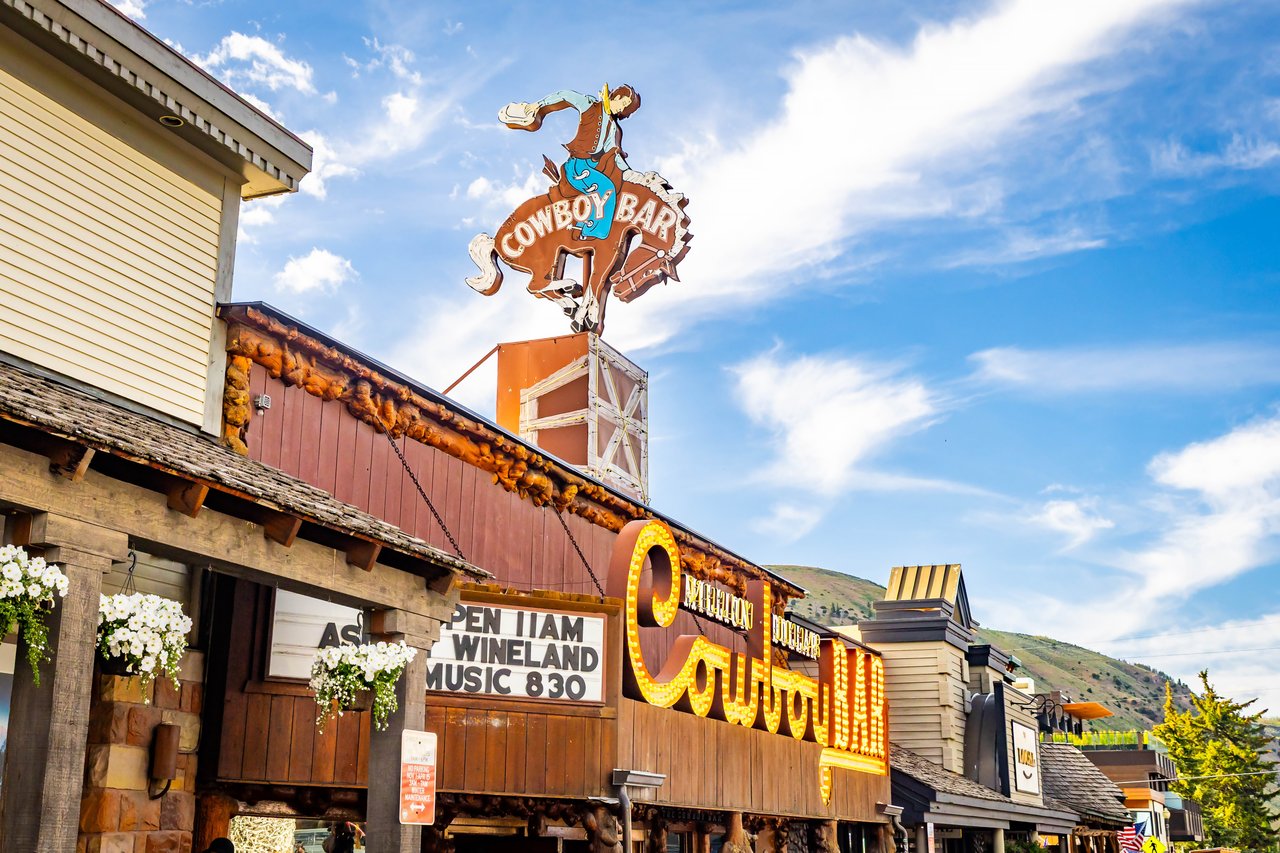
Inside the Lifestyle and Culture of a Wyoming Mountain Town
June 11, 2026
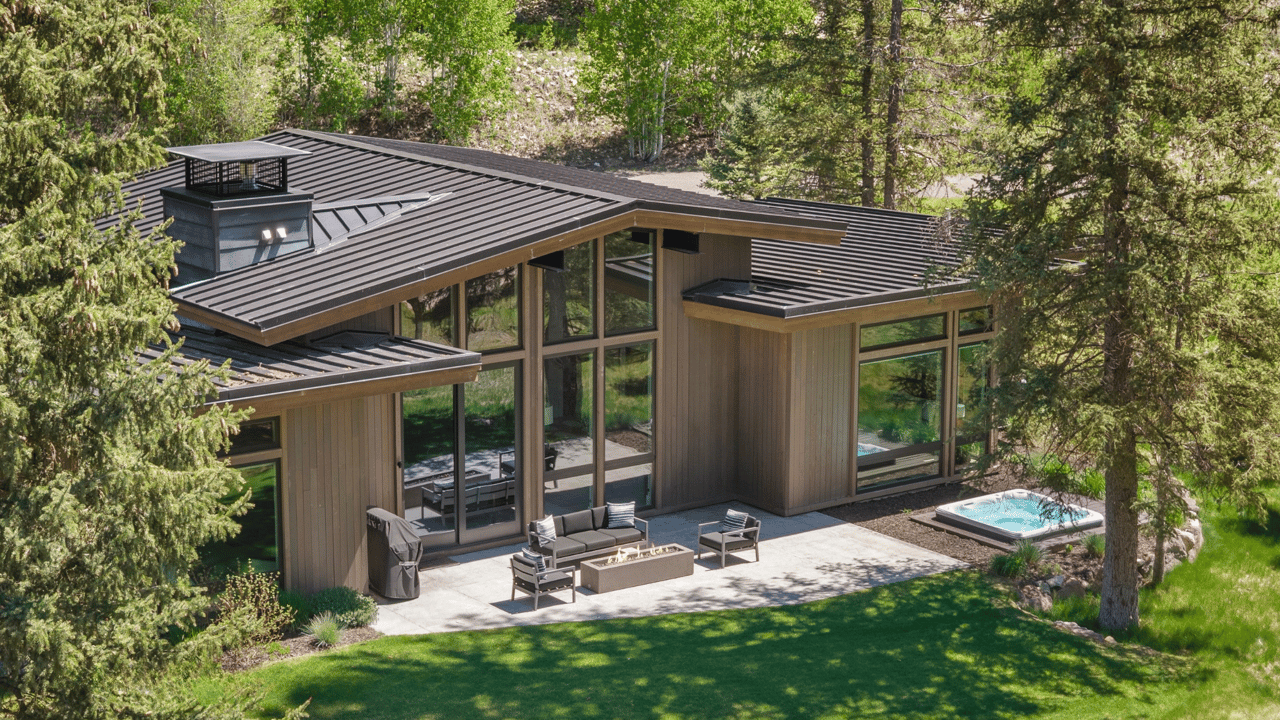
Transform your house from a winter abode to a summer dream home
May 14, 2026
May 9, 2026
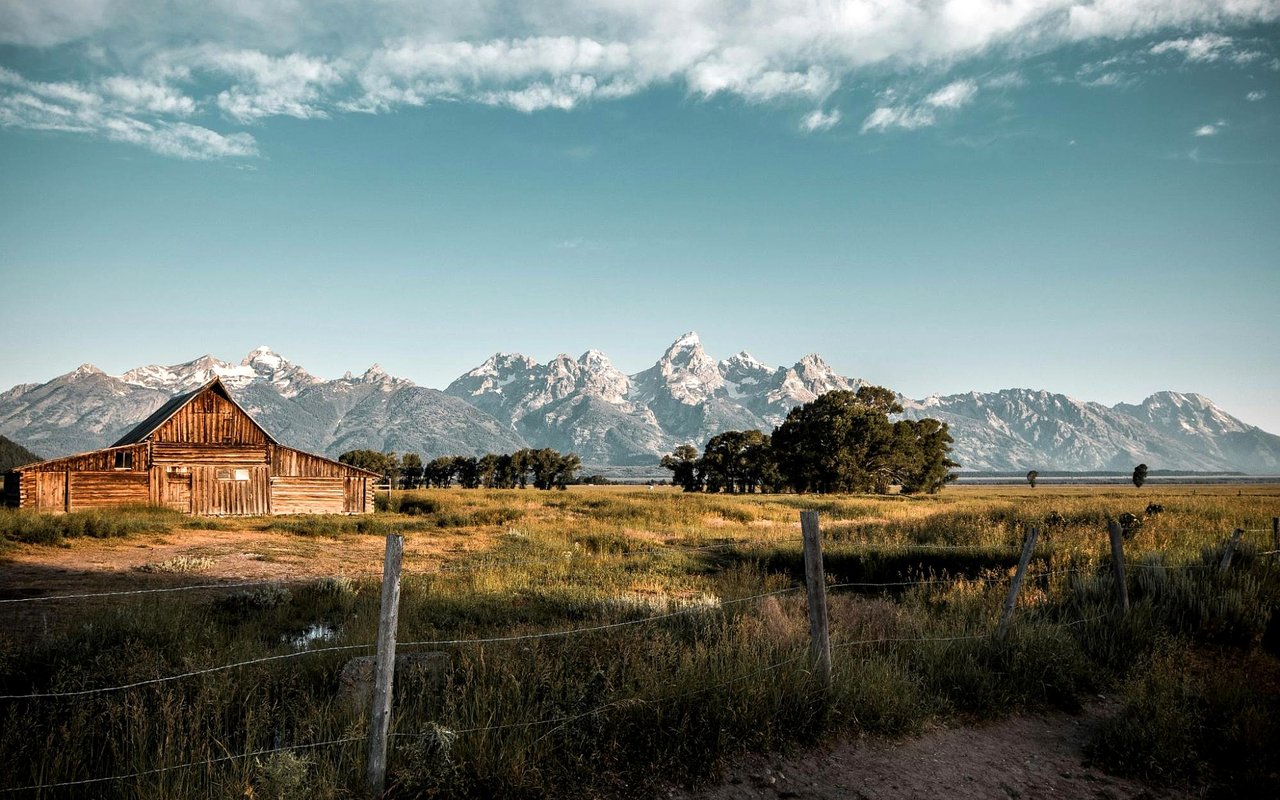
How to Find Homes with Views in Jackson Hole That Match the Landscape.

May 9, 2026
Your Guide to the Top Country Clubs in Jackson Hole for Golfers and Luxury Buyers.