By Jeff & Kelli Ward
Home warranties are one of those things buyers often ask about after the deal is nearly done—but we always recommend understanding them before you're deep into a transaction. We've seen cases where a warranty provided real peace of mind, and others where it offered little value. In Jackson Hole’s high-end market, where luxury systems and appliances are the norm, knowing whether a home warranty makes sense can save you money—or at least some stress—down the road.
Key Takeaways
- Home warranties are optional service contracts, not insurance
- Coverage is limited—especially for custom or luxury features common in Jackson Hole
- Buyers should never substitute a warranty for needed repairs
- Seller-offered warranties can help attract buyers but don’t replace disclosures
What Is a Home Warranty and How Does It Work?
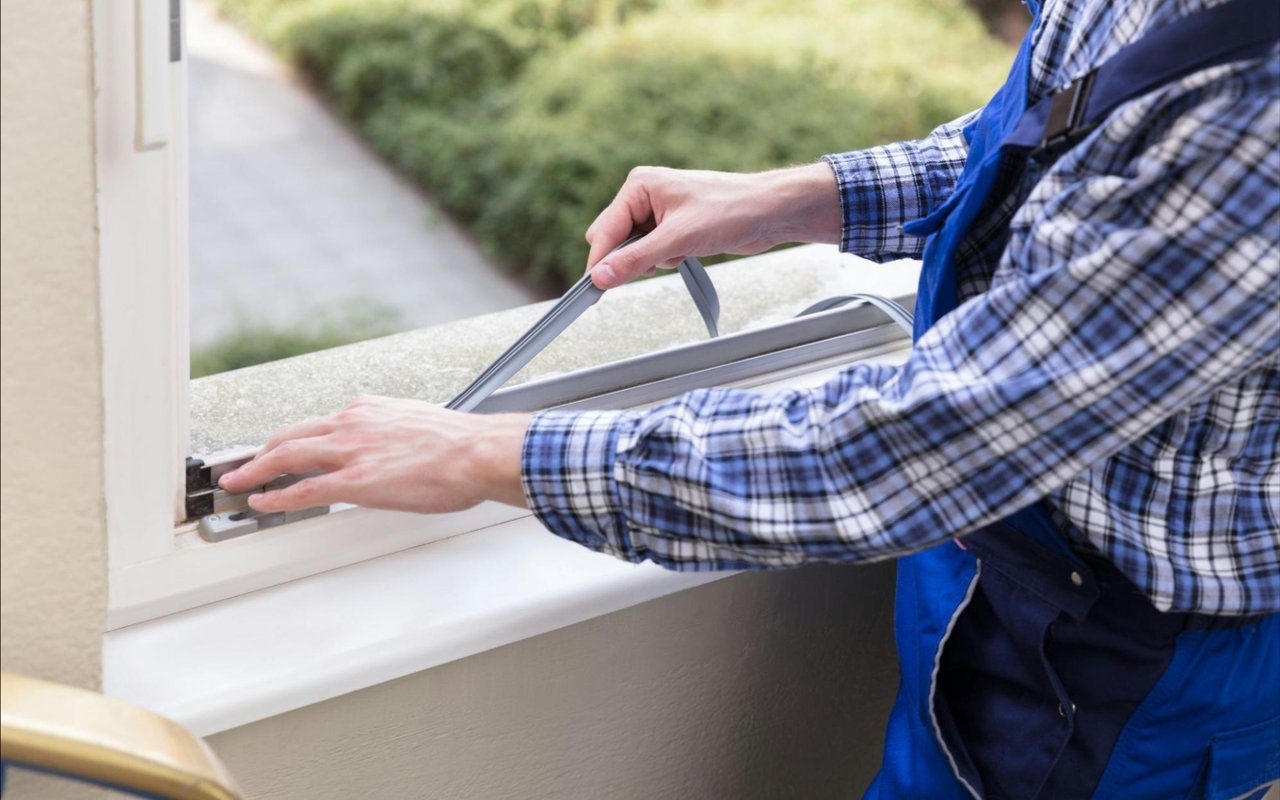
A home warranty is a short-term service contract that covers the cost of repairs or replacements on specific systems and appliances due to normal wear and tear. It's designed to ease the financial burden of breakdowns shortly after purchase—especially for resale properties where age or usage may cause failures within the first year.
What’s Typically Included in a Basic Plan
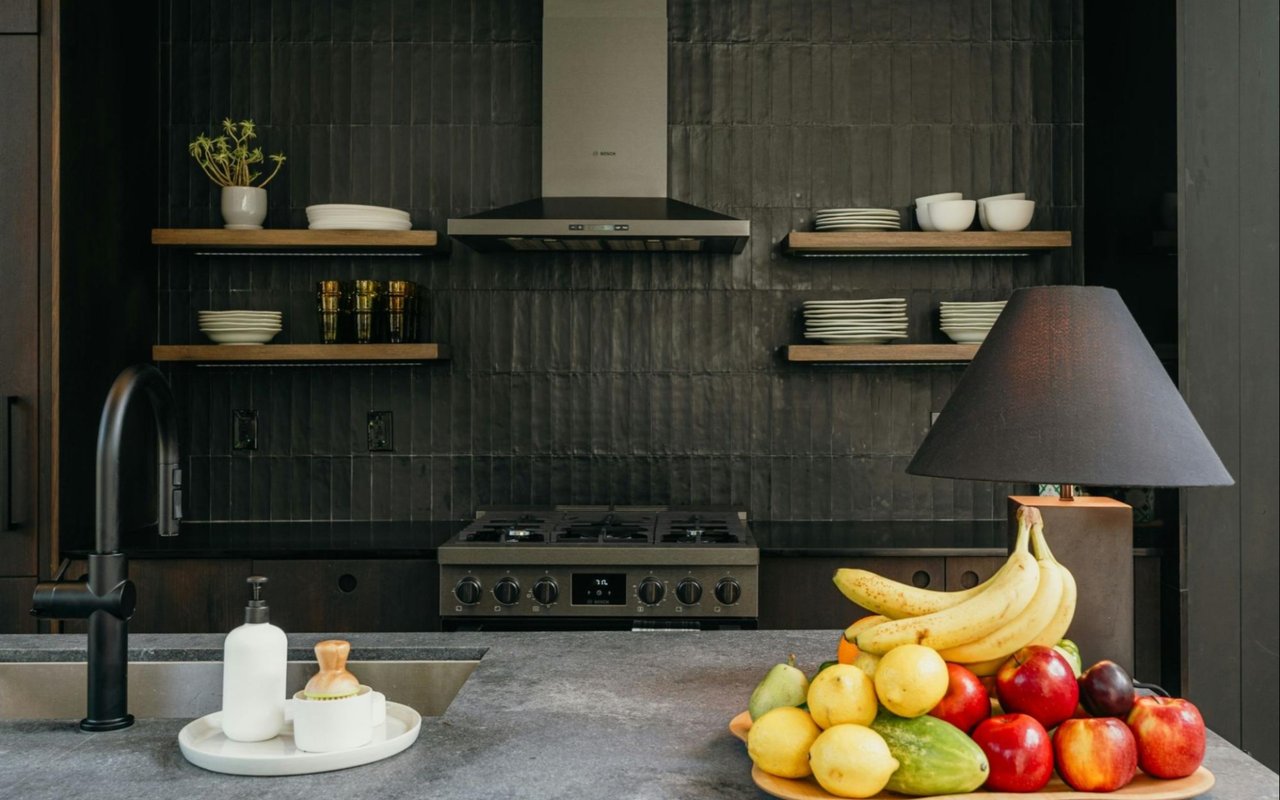
- Appliances – Ovens, dishwashers, washers, dryers, and standard refrigerators
- Systems – Heating and cooling systems, water heaters, plumbing, and electrical
- Add-Ons – Some plans let you pay extra for coverage on hot tubs, pools, and septic systems
- Service Calls – Most policies include a service fee ($75–$150) per visit
Homeowners insurance protects against damage from fire, weather, or theft. A home warranty only applies to internal breakdowns caused by routine use—not natural disasters, pre-existing issues, or neglect.
Are Home Warranties Useful in Jackson Hole?
The short answer: sometimes. In a market like Jackson Hole, where many homes are luxury-level, second homes, or built with high-end systems, basic home warranty plans often fall short. But for certain buyers and sellers, they can still offer strategic value.
When It Makes Sense to Use a Warranty
- Older Homes With Aging Systems – A home built 20+ years ago without recent upgrades may benefit from limited system coverage during the first year.
- Second-Home Owners – If you’re not living in the home full-time, a warranty can help coordinate repairs remotely for things like the water heater or furnace.
- Post-Inspection Uncertainty – If an inspection reveals systems near the end of their lifespan, a warranty can offer peace of mind (but won’t replace needed repairs).
- Competitive Listings – Sellers can include a one-year warranty as part of the sale to make their property more appealing, especially in the mid-range market.
What Warranties Don’t Cover
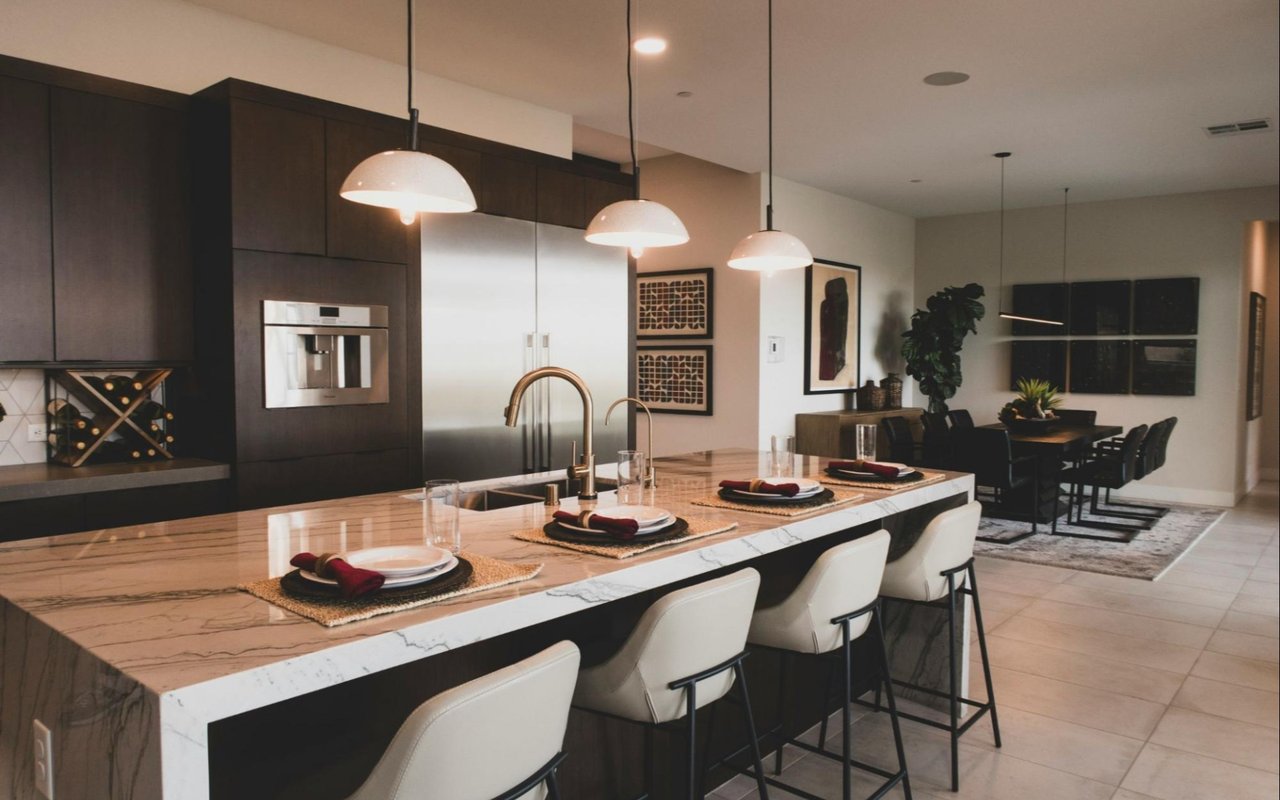
This is where it gets tricky. In Jackson Hole, homes often feature radiant floor heating, built-in smart home systems, snowmelt driveways, and custom appliances. Most home warranties won’t fully cover these elements—or won’t cover them at all.
Common Exclusions You Should Know
- Luxury or Custom Features – Heated garages, wine rooms, advanced AV systems, and radiant heating are rarely included.
- Outbuildings – Guest houses, detached garages, and barns usually require special add-ons.
- Known Issues – If a system is flagged during inspection as deteriorated or failing, it likely won’t be covered.
- Improper Maintenance – Warranty companies often deny claims based on vague interpretations of “lack of maintenance,” even when owners have kept up with care.
- Delays in Service – Some providers have trouble finding local technicians, meaning repair times can stretch in rural areas like Wilson or South Park.
How Much Do Home Warranties Cost?
The typical one-year home warranty costs between $400 and $800 for a standard plan, although that can vary by region. But if you want to add coverage for high-end appliances, guest houses, or systems like hydronic heating, expect to pay closer to $1,000–$1,500 annually. It’s also important to factor in service call fees and limitations on payout amounts.
Cost Factors to Consider Before Buying
- Repair vs. Warranty Cost – A single HVAC service call can exceed the cost of the plan—but only if the issue is covered.
- Cap Limits – Most warranties limit how much they’ll pay per system per year, which can be problematic for costly items.
- Number of Claims – Frequent issues may be denied or dropped if the provider deems the property “high risk.”
- Local Technician Access – National warranty companies often rely on networks that don’t include Jackson Hole’s limited pool of service pros.
Buyer and Seller Strategy: How to Use Warranties Wisely
Warranties can help close deals, but they shouldn’t replace proper inspections or disclosures. Sellers may offer a warranty to make a listing stand out, while buyers might ask for one as part of negotiations. Either way, it’s important to set realistic expectations.
How to Use a Warranty as a Negotiation Tool
- As a Buyer – Use a warranty as a supplement, not a substitute. If an inspector notes potential HVAC issues, don’t settle for a warranty instead of asking for credits or repairs.
- As a Seller – Offering a warranty can reassure buyers during escrow, especially for mid-tier homes with older systems. It shows good faith without making costly upgrades.
- In Place of Price Cuts – In some cases, a seller may offer a one-year warranty instead of dropping the price—this can work if the home is move-in ready with no major red flags.
- For Long-Distance Buyers – Out-of-town buyers moving to Jackson Hole may value the convenience of having a service coordinator for minor repairs post-closing.
FAQs
Do I need a home warranty for a newly built home?
Most new homes already come with a builder warranty, so additional coverage is usually unnecessary in the first year. However, second-home buyers should check expiration dates.
Will a home warranty cover radiant floor heating?
Most basic plans exclude radiant heat, but some high-tier or custom plans may offer partial coverage—always check the fine print before purchasing.
Can I add a warranty after closing?
Yes, but it typically needs to be purchased within 30 to 60 days post-closing to be tied to the transaction. After that, it may still be available, but under different terms.
Contact Us Today
A home warranty isn’t one-size-fits-all—especially not in a market like Jackson Hole. We’ll help you evaluate whether it’s a smart move for your property, your systems, and your peace of mind. Whether you're buying your dream home or preparing to list, we can walk you through the options that make the most sense for your goals.
Reach out to us,
Jeff & Kelli Ward, and we’ll help you make confident, informed decisions about your investment—including whether a home warranty is the right move for you.